
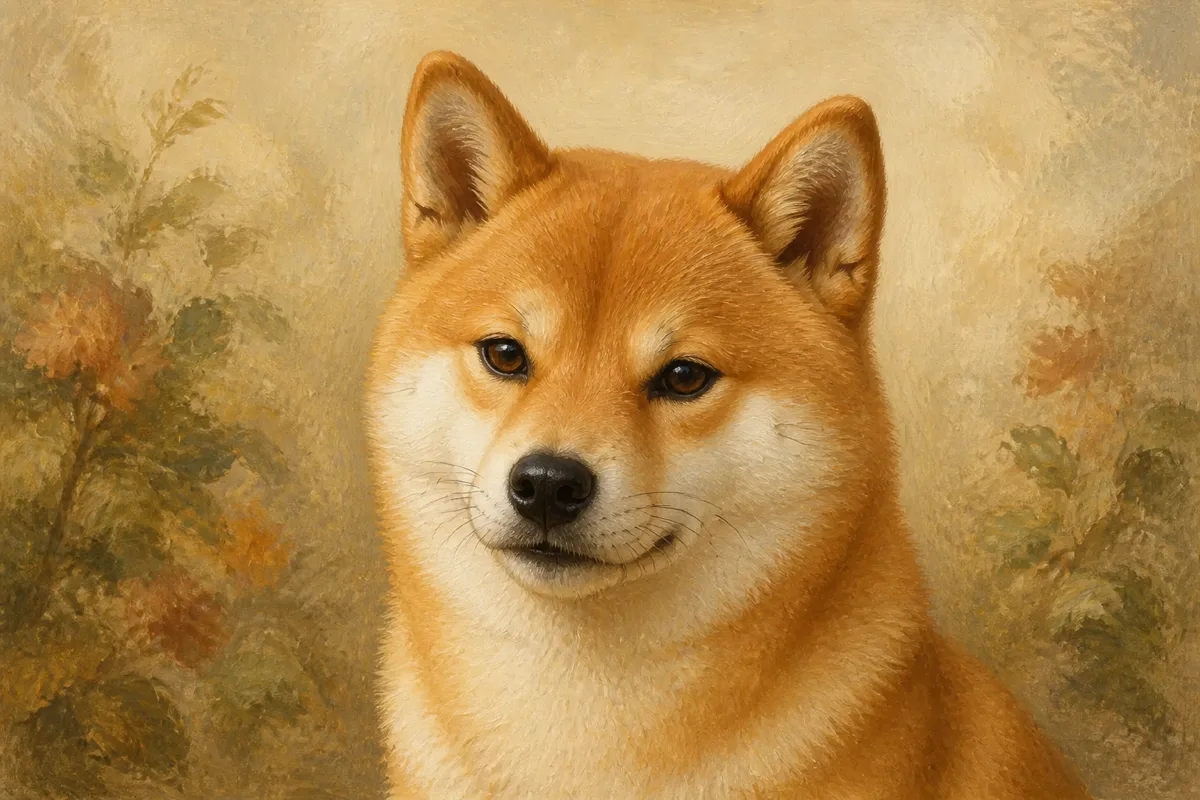
Shiba Inu breed illustration

Breed profile

Shiba Inu

Also known as Shiba

  • Non-Sporting
  • Small
  • Japan

Clean, catlike, and famously independent, the Shiba Inu is a spirited Japanese spitz that rewards experienced, patient owners — and frustrates anyone expecting a soft, eager-to-please companion.

Size
Small
Weight
17–23 lbs
Lifespan
13–16 years
Origin
Japan
AKC
Fully recognized

At a glance

How this breed typically shows up day to day.

  • Energy Moderate
  • Shedding High
  • Trainability Moderate
  • Apartment fit Good

Breed details

Shiba Inus are Japan’s small spitz treasure: clean, catlike, and stubborn enough to make retriever people rethink everything they know about “eager to please.” Bred as hunting and companion dogs, they retain independence, prey drive, and a self-possession that is either charming or infuriating depending on your expectations.

Training a Shiba rewards creativity and management. Recall in open areas is often unreliable; secure fencing and leashes are welfare tools. They can be affectionate on their terms, reserved with strangers, and vocal in distinctive ways when frustrated. Early socialization shapes confidence without erasing natural aloofness.

Shedding is the other honesty check. Double coats blow impressively. Between sheds many Shibas stay relatively clean, which is nice until coat-change season redecorates black pants nationwide. Do not shave as a summer shortcut.

Health topics include allergies, eyes, and orthopedic issues in some dogs. Temperament varies — meet parents. Apartments can work with exercise and shedding acceptance; first-time owners seeking soft obedience partners often struggle.

Choose a Shiba if you respect independent breeds and will manage prey drive and training realism. Look elsewhere for a highly social greeter or easy off-leash companion. With the right handler, a Shiba is a striking, long-lived little character with unforgettable presence.

Temperament

Shibas are bold, reserved with strangers, and intensely self-possessed. Many are affectionate on their own terms, clean in the house, and vocal in distinctive screams when upset or overstimulated.

They are not golden retrievers in a fox costume. Independent hunting heritage means recall can be unreliable and training takes creativity, consistency, and a sense of humor.

Respect and early socialization matter more than spoiling.

Exercise needs

Moderate to moderately high: daily walks, play, and secure exploration. They enjoy activity but are not typically endless-running sporting dogs.

Off-leash freedom in open areas is risky for many Shibas. Secure fencing and leash habits are practical necessities.

Mental enrichment and sniffing walks help prevent boredom mischief.

Grooming needs

The double coat sheds heavily, with dramatic seasonal blows. Brush often; daily during coat change. “Shiba shed” is not subtle.

Bathe sparingly unless dirty — many Shibas stay relatively clean. Keep nails short and check ears.

Do not shave the coat for summer; it provides insulation and sun protection when maintained.

Common characteristics

Small, fox-like spitz with erect ears and a curled tail.

Common colors include red, sesame, black and tan, and cream.

Independent, clean, and often reserved.

Strong-willed with a distinctive vocal repertoire.

Common health concerns

Allergies, glaucoma, hip dysplasia, and luxating patellas appear in breed discussions. Ask about health testing appropriate to the line.

Keep Shibas lean. Skin and coat issues can flare with allergies — partner with your veterinarian early.

Temperament quality varies; meet parents when possible.

Children & family suitability

Best with older children and adults who understand independent dogs. Not ideal for first-time owners seeking an easy obedience partner or for homes wanting a highly social greeter.

Apartments can work with exercise, training, and shedding acceptance.

Other-pet compatibility

Prey drive can be strong toward small animals. Same-sex dog friction appears in some adults. Raise carefully and supervise introductions.

Cats may work if raised together — or may not. Be honest about risk.

Climate considerations

Double coats handle cool weather well. In heat, exercise during cooler hours and watch for overheating during coat blows.

Brush out undercoat in warm seasons rather than shaving as a shortcut.

The honest ledger

Pros and cons

What this breed gives — and what it asks back.

Keep

The upside

  1. 01 Clean, compact companion
  2. 02 Long lifespan potential
  3. 03 Good apartment size with exercise
  4. 04 Striking, low-fuss daily coat wipe-downs between sheds

Weigh

The trade-offs

  1. 01 Independent and challenging to train
  2. 02 Heavy seasonal shedding
  3. 03 Unreliable off-leash recall
  4. 04 Can be reserved or reactive if undersocialized