
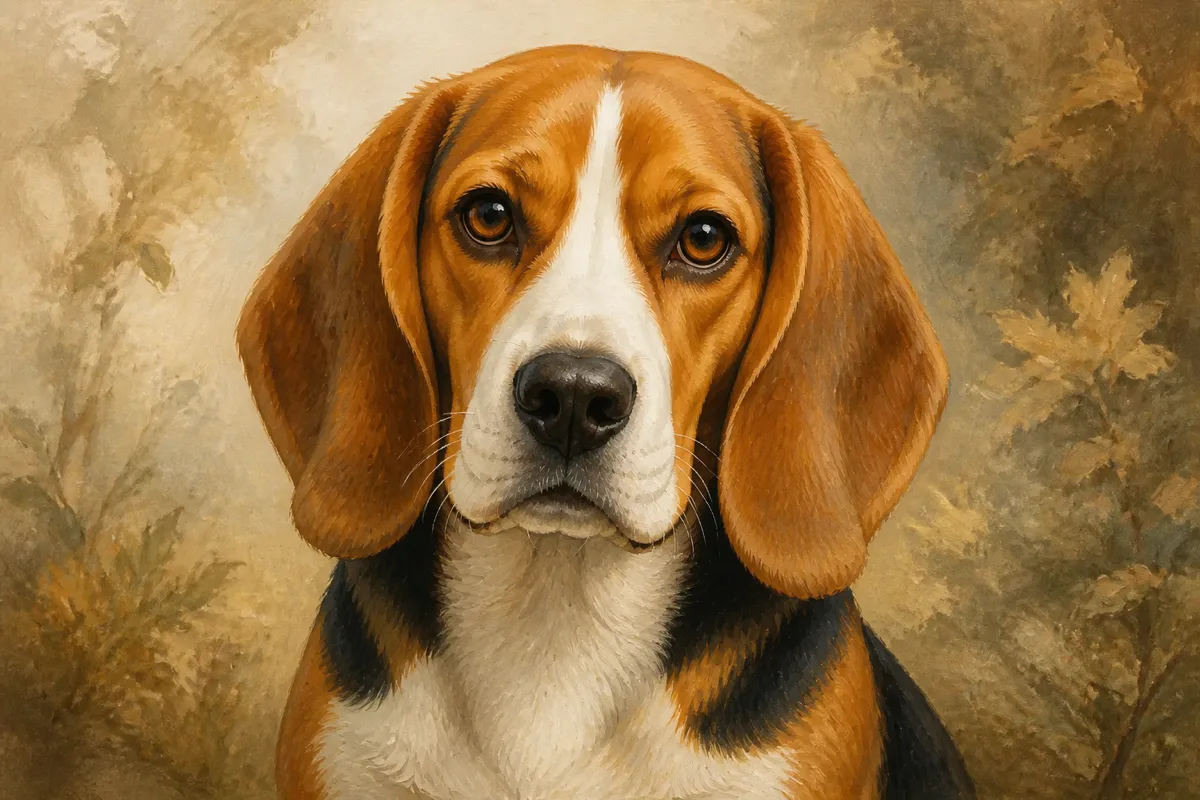
Basset Hound breed illustration

Breed profile

Basset Hound

  • Hound
  • Medium
  • France

Low-slung, nose-powered, and famously stubborn, the Basset Hound is a scent hound that offers mellow companionship — alongside drool, bay, and a body that needs weight and back-aware care.

Size
Medium
Weight
40–65 lbs
Lifespan
12–13 years
Origin
France
AKC
Fully recognized

At a glance

How this breed typically shows up day to day.

  • Energy Moderate
  • Shedding Moderate
  • Trainability Moderate
  • Apartment fit Fair

Breed details

Basset Hounds were engineered for scent, not speed: heavy bone, long ears, and a nose that treats the sidewalk like a novel. Developed in France and refined as pack hunting hounds, they bring mellow companionship home — along with bay, drool, and a body that punishes obesity quickly.

Living with a Basset is usually about moderate sniffy walks, secure fencing, and food portion discipline. They are often affectionate and quietly funny indoors. They are also stubborn when a trail appears. Recall reliability in open areas is a hopeful story more than a breed guarantee. Food motivation helps training; selective hearing on scent is design.

Ear care and weight control are welfare pillars. Long ears trap moisture; excess pounds crush long backs and short legs. Know back-pain warning signs and keep nails short so already-low geometry does not get worse. Drool management is part of the aesthetic package.

Health conversations include ears, eyes, orthopedic stress, and clotting or other line-specific issues discussed by clubs. Deep chests mean bloat awareness belongs on the family checklist. Ethical breeders care about movement and health, not only exaggerated wrinkles.

Bassets fit patient households that accept hound voice, scent distraction, and slow training progress. They are a harder sell for pristine floors, silent apartments, or off-leash freedom seekers. Respect the nose and the frame, and a Basset becomes a loyal, low-key companion with a world-class sense of smell.

Temperament

Bassets are typically easygoing, affectionate, and quietly comical at home. Many are devoted to their people while remaining independent thinkers when a scent trail appears.

The classic bay and stubborn streak are part of the package. They were bred to follow scent with persistence, not to heel like a precision sport dog. Food motivation helps training; selective hearing on trail is design, not spite.

They often enjoy pack life and dislike long isolation.

Exercise needs

Moderate daily walks with plenty of sniffing usually beat intense running. A tired nose often means a quieter house.

Keep weight under strict control — excess pounds are especially hard on long backs and short legs. Avoid forced jogging and repetitive high-impact play.

Secure fencing matters; many Bassets will follow a scent if they slip a collar or find a gap.

Grooming needs

Short coat: weekly brushing and occasional baths. Drool and facial wrinkles need regular wiping. Those long ears trap moisture — clean and dry them routinely.

Nails often need frequent trims because short legs and indoor living reduce natural wear. Dental care supports overall health.

Shedding is moderate and noticeable on furniture.

Common characteristics

Heavy-boned, low hound with long ears, a melancholy expression, and a powerful nose.

Typically short-coated in tri-color or red-and-white patterns.

Friendly, stubborn, and scent-driven.

Notable voice and a strong food drive.

Common health concerns

Obesity, ear infections, and intervertebral disc or back stress are central ownership topics. Glaucoma and other eye issues appear in some lines; hip dysplasia and thrombopathia are also discussed.

Keep Bassets lean as preventative medicine. Know bloat risk signs in deep-chested dogs and discuss feeding practices with your vet.

Choose breeders who care about movement and health, not only “more wrinkles.”

Children & family suitability

Often wonderful with families that accept drool, bay, and slower training progress. They are usually patient with children when handled respectfully.

Less ideal for anyone needing pristine floors, silent apartments, or effortless off-leash reliability.

Other-pet compatibility

Generally excellent with other dogs due to pack-hound heritage. Small pets that run may trigger chase; manage honestly.

Cats often coexist when introductions are thoughtful.

Climate considerations

Short coats chill in cold and wet weather — use coats and limit icy outings. In heat, watch for overheating, especially in overweight dogs; walk during cooler hours.

Hot pavement is hard on low-slung bodies walking closer to radiating surfaces.

The honest ledger

Pros and cons

What this breed gives — and what it asks back.

Keep

The upside

  1. 01 Affectionate low-key companion
  2. 02 Generally good with families and dogs
  3. 03 Moderate exercise needs
  4. 04 Outstanding nose for scent work

Weigh

The trade-offs

  1. 01 Stubborn and scent-distracted
  2. 02 Drool, bay, and ear care
  3. 03 Weight management is critical
  4. 04 Not reliably off-leash