
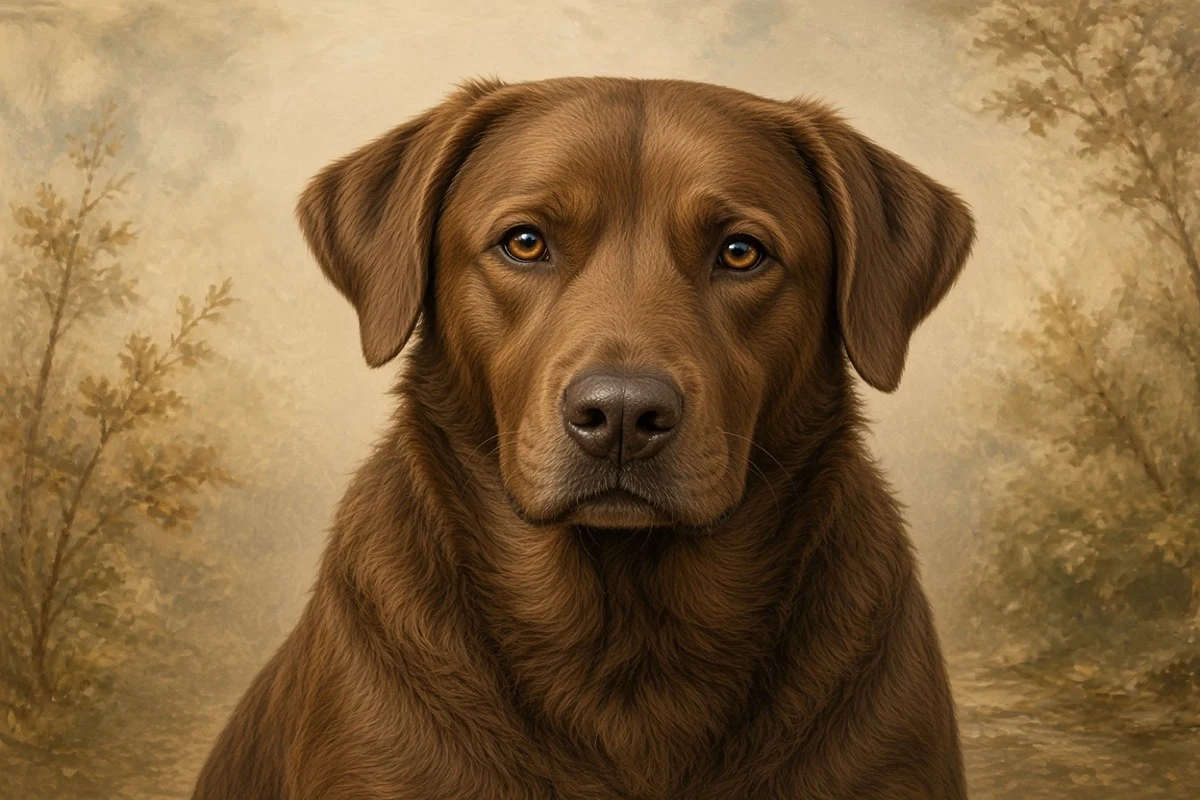
Chesapeake Bay Retriever breed illustration

Breed profile

Chesapeake Bay Retriever

Also known as Chessie · CBR

  • Sporting
  • Large
  • USA

America’s tough waterfowl specialist, the Chesapeake Bay Retriever is a powerful, loyal retrieving breed that thrives with hunters and serious outdoor owners — not casual couch-only homes.

Size
Large
Weight
55–80 lbs
Lifespan
10–13 years
Origin
USA
AKC
Fully recognized

At a glance

How this breed typically shows up day to day.

  • Energy High
  • Shedding High
  • Trainability High
  • Apartment fit Poor

Breed details

Chesapeake Bay Retrievers were built for American waterfowl work in brutal Mid-Atlantic conditions — icy retrieves, tough cover, and a waterproof coat that means business. Chessies are loyal and hardworking, often more reserved with strangers than Labrador Retrievers, and happiest with owners who hunt or train seriously outdoors.

Expect grit, stamina, and an oily double coat that sheds heavily and smells distinctly when wet. Bathing too often strips protection; brush regularly and dry ears after swimming. Under-exercised Chessies do not become quiet apartment mascots.

Fair, consistent training builds a reliable partner; harsh methods often fail with this thoughtful breed. Ask about hips, elbows, eyes, and other clearances. Know bloat signs. Keep adults lean.

Choose a Chessie if you want a tough water dog and will socialize and work the breed. Look elsewhere for an instantly social, low-shed family greeter. Matched well, Chesapeakes are devoted, powerful retrieving companions with serious American history in every swim.

Temperament

Chessies are typically devoted, protective of their people, and more reserved with strangers than Labrador Retrievers. That loyalty is a strength with structure — and a challenge without socialization.

Bred for icy Chesapeake waters and hard retrieves, they bring grit, stamina, and an independent working style. Many prefer a job and a bonded handler over endless casual petting from every guest.

Fair, consistent training builds a reliable partner; harsh methods often backfire with this thoughtful breed.

Exercise needs

High needs: swimming, retrieving, hiking, and field work. A Chessie without outlets can become restless or destructive.

Mental work — retrieve drills and advanced obedience — settles them as much as raw mileage.

Condition athletes gradually; cold-water toughness does not mean joints are invincible.

Grooming needs

The dense, oily double coat sheds heavily and resists water by design. Brush regularly; more during seasonal coat change. Bathing too often strips protective oils — clean strategically after muddy work.

Expect a distinctive coat scent when wet. Keep ears checked after swimming and nails trimmed.

Coat care is manageable; shedding volume is the honesty check for many households.

Common characteristics

Large American retriever with a wavy, waterproof coat in brown, sedge, or deadgrass shades.

Powerful swimmer built for cold water and demanding retrieves.

Loyal and often more reserved than Labs; bonds tightly to household.

High drive and stamina; thrives with hunting or serious outdoor work.

Common health concerns

Hip and elbow dysplasia, progressive retinal atrophy, and exercise-induced collapse topics appear in breed health screening conversations — ask for clearances.

Keep Chessies lean. Deep-chested dogs carry bloat risk; know emergency signs.

Ear infections can follow heavy water work — dry and monitor routinely.

Children & family suitability

Excellent with active, outdoors-oriented families that will train and socialize early. They can be wonderful with respectful children.

Less ideal for first-time owners wanting an instantly social Lab-like greeter, or for apartments without serious exercise.

Other-pet compatibility

Many live with other dogs when raised together, though same-sex tension can appear. Birds and small pets may trigger retrieving interest.

Cats succeed with early introductions and solid household manners.

Climate considerations

Built for cold and wet — they shine in winter water work. In heat, schedule intense sessions for cooler hours and watch for overheating under the dense coat.

Never leave a wet Chessie confined without drying; skin and ear health depend on it.

The honest ledger

Pros and cons

What this breed gives — and what it asks back.

Keep

The upside

  1. 01 Outstanding water retriever
  2. 02 Loyal and hardworking
  3. 03 Tough outdoor athlete
  4. 04 Trainable with fair, consistent handling

Weigh

The trade-offs

  1. 01 Heavy shedding and oily coat scent
  2. 02 High exercise needs
  3. 03 Can be reserved or protective without socialization
  4. 04 Too intense for casual pet homes