
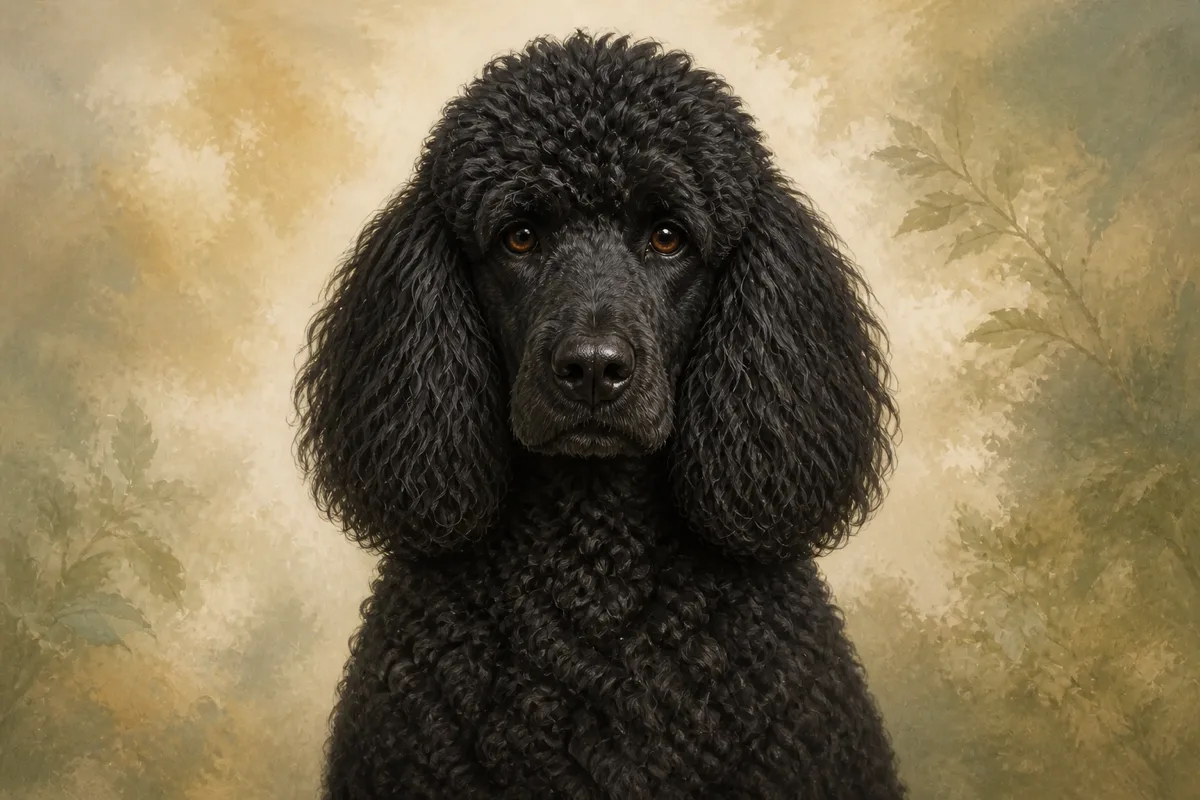
Portuguese Water Dog breed illustration

Breed profile

Portuguese Water Dog

Also known as Portie · PWD

  • Working
  • Medium
  • Portugal

Athletic, loyal, and famously low-shedding, the Portuguese Water Dog is a working water retriever that needs grooming, training, and daily exercise — not just a hypoallergenic reputation.

Size
Medium
Weight
35–60 lbs
Lifespan
11–13 years
Origin
Portugal
AKC
Fully recognized

At a glance

How this breed typically shows up day to day.

  • Energy High
  • Shedding Low
  • Trainability High
  • Apartment fit Fair

Breed details

Portuguese Water Dogs earned modern fame as low-shedding companions, but their story is working water retrieval along Portugal’s coast — athletic, loyal dogs that lived as partners, not accessories. That working brain never left. A Portie without exercise and training is a curly-coated mischief engine.

Coat care is the trade for lower shedding. Regular brushing and professional grooming are normal, whether you choose a practical retriever clip or a more traditional look. People shopping for an allergy solution still need to test their own sensitivities and fund the grooming schedule. Low shed is not low effort.

Exercise should be honest: swimming, retrieve, hiking, and training sports suit them. They are typically affectionate and clownish with family, vocal when excited, and happiest when included. Genetic testing conversations in the breed have included PRA and storage diseases — ask direct questions.

They can be excellent family dogs for active households that accept grooming costs. They are a weaker match for sedentary homes or anyone who thought “hypoallergenic” meant weekend baths only.

Matched to an active, grooming-ready home, the Portuguese Water Dog is a loyal, trainable water partner with real working heart under the cute coat.

Temperament

Porties are typically spirited, affectionate, and eager to work with their people. Many are clownish, vocal when excited, and happiest when included in family activity rather than left to invent hobbies.

Intelligence cuts both ways: they learn quickly and also notice inconsistencies. Early training and plenty of outlets produce a polished companion; boredom produces mischief.

They bond closely and often want a job involving retrieve, water, or training sports.

Exercise needs

High daily needs: walks, swimming, retrieve, hiking, and training games. Under-exercised Porties can become barky or destructive.

Mental work matters. They excel when given structured tasks rather than aimless backyard time alone.

Secure swimming access is a bonus, not a requirement — but water work suits the breed historically.

Grooming needs

The curly or wavy coat is low-shedding and high-maintenance: regular brushing plus professional grooming every 4–8 weeks is typical. Mats form if neglected.

Clip styles (including the traditional lion clip historically) affect comfort and upkeep. Ears need routine checks, especially for swimming dogs.

Low shed is a trade for grooming cost and time — plan for it.

Common characteristics

Medium, robust water working dog with a dense curly or wavy coat.

Typically black, brown, or black-and-white / brown-and-white.

High energy, high trainability, and strong retrieving instinct.

Often considered more allergy-friendly due to low shedding — individual responses still vary.

Common health concerns

Hip dysplasia, progressive retinal atrophy, and storage diseases such as GM1 gangliosidosis have been important breeding topics — ask about genetic testing in the line.

Keep Porties lean and condition carefully. Ear infections can follow water work without good drying habits.

Choose breeders who health-test and talk honestly about energy levels in their dogs.

Children & family suitability

Excellent for active families that will train and groom consistently. They usually enjoy children when manners around jumping and mouthiness are taught.

Less ideal for sedentary homes or anyone seeking a truly low-maintenance coat.

Other-pet compatibility

Generally good with other dogs when socialized. Prey drive is usually moderate compared with sighthounds, but individual dogs vary.

Cats often succeed with early respectful introductions.

Climate considerations

Coat length affects comfort. Practical summer clips help in heat; protect clipped dogs in cold. Dry thoroughly after water work to protect skin and ears.

They enjoy outdoor adventure as part of a shared active life.

The honest ledger

Pros and cons

What this breed gives — and what it asks back.

Keep

The upside

  1. 01 Low shedding working companion
  2. 02 Highly trainable and athletic
  3. 03 Loyal family partner
  4. 04 Excellent swimming / retrieve drive

Weigh

The trade-offs

  1. 01 High grooming commitment
  2. 02 High exercise needs
  3. 03 Can be vocal and mischievous if bored
  4. 04 Not a low-maintenance “allergy fix”