
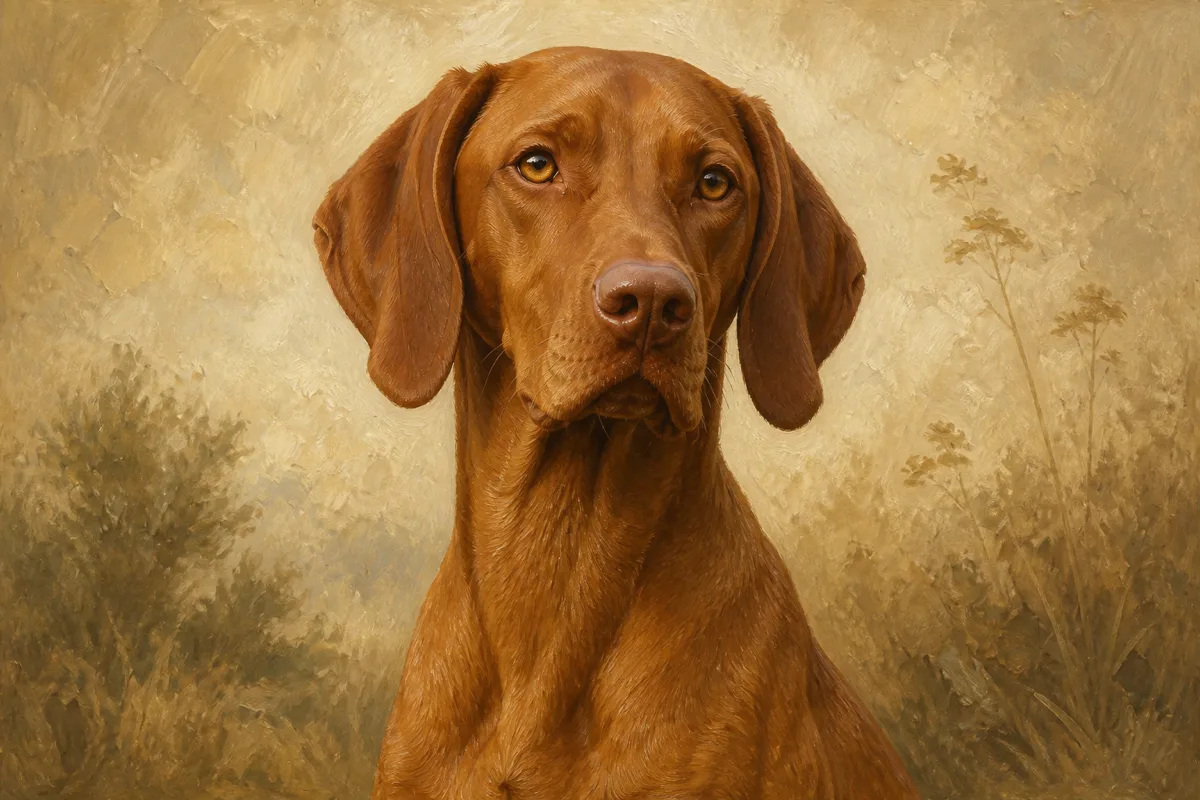
Vizsla breed illustration

Breed profile

Vizsla

Also known as Hungarian Vizsla · Velcro Vizsla

  • Sporting
  • Medium
  • Hungary

Elegant, affectionate, and almost famously Velcro-attached, the Vizsla is a high-energy sporting dog that wants both serious exercise and constant human company — a demanding combination done right.

Size
Medium
Weight
45–65 lbs
Lifespan
12–14 years
Origin
Hungary
AKC
Fully recognized

At a glance

How this breed typically shows up day to day.

  • Energy Very High
  • Shedding Low
  • Trainability High
  • Apartment fit Fair

Breed details

Vizslas are often called Velcro dogs for a reason. Bred in Hungary as versatile pointing and retrieving companions, they want serious athletic work and nearly constant human proximity. That combination is wonderful for active, home-enough households and brutal for people who expected an independent yard athlete.

The sleek rust coat keeps grooming easy, which sometimes hides the real cost of ownership: mileage plus emotional bandwidth. Young Vizslas need running, hiking, swimming, field work, or intense fetch — and then they still want to sit on your feet. Separation skills must be trained early. An underworked, lonely Vizsla can become anxious or destructive fast.

Temperament is typically soft and sensitive. Positive, clear training outperforms harsh corrections. They notice household tension and thrive on partnership. Prey drive toward birds and small animals deserves management even when the dog is a love sponge indoors.

Health topics include hips, eyes, and epilepsy awareness in some lines. Keep the outline athletic. Lean does not mean starved; rib-hidden does not mean healthy for a running breed.

Choose a Vizsla if your lifestyle already includes serious outdoor time and you want a devoted sporting shadow. Look elsewhere for long empty-house days or low-energy living. Done right, few breeds offer a more affectionate athletic partnership.

Temperament

Vizslas are soft-natured, people-obsessed athletes. Many shadow their owners from room to room and wilt when left out of the action. That devotion is wonderful for companionship and challenging for alone-time skills.

They are typically sensitive and highly trainable with positive methods. Harsh corrections often backfire. Without enough work, anxious or destructive behaviors can appear — not because they are “bad,” but because they are underemployed and lonely.

Expect a dog that wants a partner, not a backyard schedule.

Exercise needs

Very high. Plan on running, hiking, swimming, field work, or vigorous fetch daily, plus training that engages the brain.

A couple of short walks rarely satisfy a young adult Vizsla. Apartments can work only with an extreme exercise plan and realistic neighbors.

Condition gradually; these lean athletes can overdo soft-tissue stress if weekend warriors go too hard too fast.

Grooming needs

The short golden-rust coat is low-maintenance and relatively low-shedding: weekly wipe-downs or light brushing, baths as needed.

Check ears and paws after fieldwork. Nails and teeth still need routine care. Skin can be sensitive in some dogs — watch for irritation.

Grooming ease sometimes fools people into underestimating total ownership effort.

Common characteristics

Lean, elegant pointing breed with a distinctive rust-gold short coat.

Strong “Velcro” attachment to people.

High energy and trainability; versatile hunter and sport dog.

Soft temperament that needs kind, consistent handling.

Common health concerns

Hip dysplasia, certain eye conditions, and epilepsy appear in breed health conversations. Sensitivity-related issues and allergies show up in some dogs.

Ask for orthopedic and eye clearances. Keep Vizslas lean — their outline should stay athletic, not rib-hidden.

Discuss alone-time anxiety prevention early rather than waiting for destruction to announce the problem.

Children & family suitability

Outstanding for active families that are home enough to provide company and will exercise seriously. They usually adore children when manners are taught.

A poor match for long empty-house days or low-energy lifestyles.

Other-pet compatibility

Often good with dogs. Prey drive toward birds and small animals can be strong — manage cats and small pets case by case.

Early socialization helps coexistence skills.

Climate considerations

Short coats need cold-weather protection for longer outings. In heat, schedule intense work carefully and provide water — lean, driven dogs can push past comfort.

They are indoor family dogs, not outdoor kennel dogs.

The honest ledger

Pros and cons

What this breed gives — and what it asks back.

Keep

The upside

  1. 01 Affectionate Velcro companion
  2. 02 Highly trainable athletic partner
  3. 03 Low grooming / lower shedding
  4. 04 Versatile sporting ability

Weigh

The trade-offs

  1. 01 Very high exercise needs
  2. 02 Can struggle badly with alone time
  3. 03 Soft and sensitive to harsh training
  4. 04 Poor fit for sedentary homes