
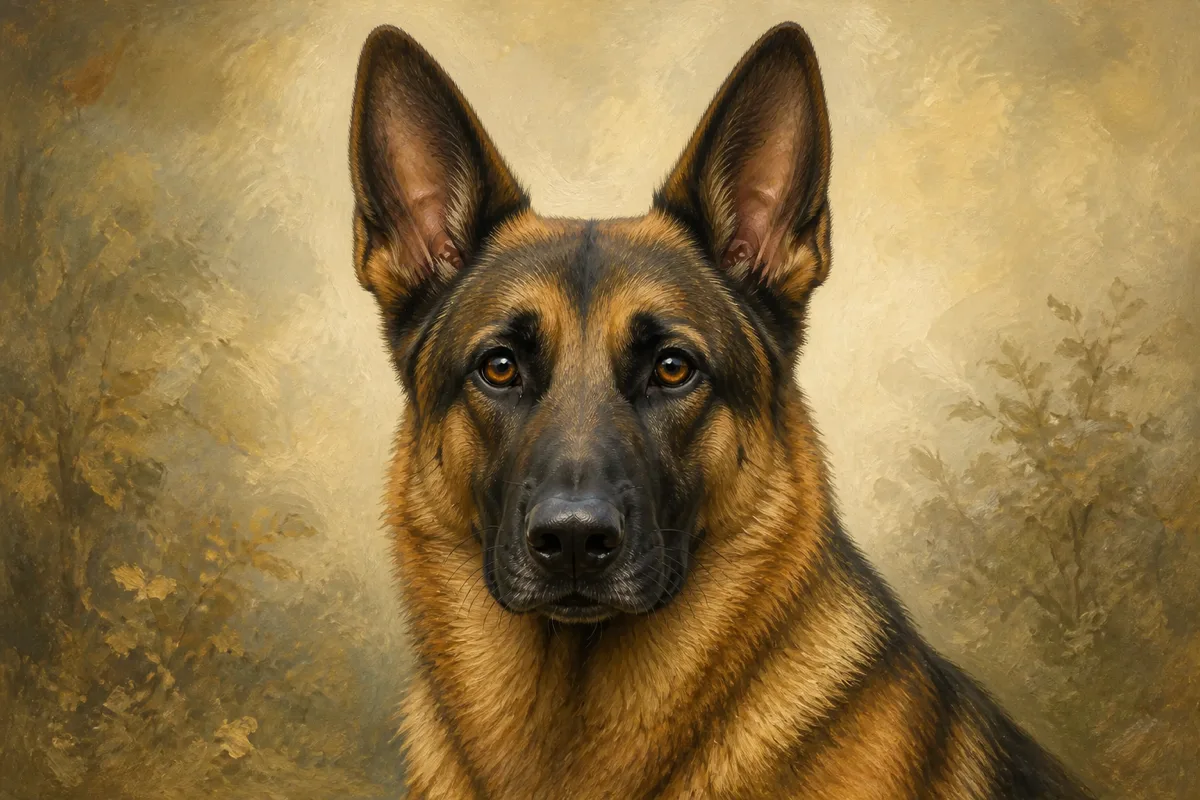
Belgian Malinois breed illustration

Breed profile

Belgian Malinois

Also known as Mal · Malinois

  • Herding
  • Medium
  • Belgium

A premier working herding and protection breed, the Belgian Malinois is intensely driven, highly trainable, and a poor fit for casual pet homes despite its growing popularity from military and police imagery.

Size
Medium
Weight
40–80 lbs
Lifespan
14–16 years
Origin
Belgium
AKC
Fully recognized

At a glance

How this breed typically shows up day to day.

  • Energy Very High
  • Shedding Moderate
  • Trainability High
  • Apartment fit Poor

Breed details

Belgian Malinois popularity surged with military and police imagery, which is exactly why so many pet homes get this breed wrong. A Mal is a high-drive herding and protection partner refined in Belgium for serious work — not a GSD cosplay accessory. Drive without skill and structure is not impressive; it is difficult and sometimes dangerous.

Day-to-day success requires jobs: sport, detection foundations under qualified instruction, advanced obedience, scent work, and serious physical exercise. A couple of neighborhood walks do not equal a lifestyle. Underemployed Mals can become destructive, reactive, or obsessive. Experienced handlers who enjoy training usually thrive; casual first-time owners usually do not.

Temperament and line matter enormously. Stable nerves, early socialization, and fair leadership produce a devoted working companion. Poor breeding plus under-socialization produces a sharp dog in the wrong context. Same-sex tension, prey drive, and arousal around movement are common management topics — not rare edge cases.

Coat care is the easy part. Health conversations should include hips, elbows, and eyes, plus injury prevention for athletes. Keep them lean. Ethical sourcing and trainer support are part of responsible ownership, not optional extras after problems start.

Choose a Belgian Malinois only if you want a working partnership and can provide daily structured outlets for years. Look elsewhere for a pet-first family dog, an apartment companion, or a status symbol. Done right, the Malinois is brilliantly trainable and deeply bonded. Done wrong, it is too much dog for the household and the neighborhood.

Temperament

Malinois are confident, sharp, and wired for work. Many bond deeply to their handlers and excel when given clear jobs: sport, detection, herding, or advanced obedience. They notice movement and opportunities constantly.

They are not “GSDs with less coat.” Drive levels are often higher, and frustration tolerance can be lower without skilled handling. Under-socialized or underemployed Mals can become reactive, destructive, or obsessive.

This is a partnership breed for experienced, active owners — not a lifestyle accessory.

Exercise needs

Very high physical and mental needs, often exceeding what typical family schedules provide. Plan on serious daily training plus vigorous exercise, not a couple of polite walks.

Bite sports and protection work should only happen under qualified instruction. For most households, structured obedience, scent work, agility, and long outbound adventures are safer outlets than DIY “guard dog” projects.

A tired Mal is a trained Mal; mileage alone without brain work is incomplete.

Grooming needs

The short double coat sheds moderately year-round and more seasonally. Weekly brushing helps; expect “Mal hair” on dark clothes.

Bathe as needed. Check paws and pads after rough work. Nail, ear, and dental care complete the basics.

Grooming is the easy part of Malinois ownership.

Common characteristics

Square, athletic herding dog with a short fawn-to-mahogany coat and often a black mask.

Exceptional working drive and trainability in the right hands.

High sensitivity to movement and environmental change.

Requires experienced handling and lifelong structured work.

Common health concerns

Hip and elbow dysplasia, eye issues, and sensitivity-related behavioral problems appear in discussions. Working lines may face higher injury risk from intense sport.

Ask about orthopedic clearances and temperament stability in the breeding program. Keep the dog lean and conditioned.

Ethical sourcing matters enormously — poor nerves plus high drive is a difficult combination.

Children & family suitability

Can be devoted with experienced families that train seriously and manage arousal around children. Not a beginner breed and not a casual first dog for most people.

Homes that want a pet first and a working dog second should look elsewhere.

Other-pet compatibility

Individual dogs vary widely. Prey drive, same-sex tension, and herding/chase behavior toward other animals are common management topics.

Raise thoughtfully, supervise always, and do not assume automatic multi-pet harmony.

Climate considerations

Short coats handle mild climates but offer limited cold insulation — coats help in winter. In heat, schedule intense work carefully; dark masks and high drive can push dogs past safe limits.

They are house-oriented working companions, not outdoor kennel dogs.

The honest ledger

Pros and cons

What this breed gives — and what it asks back.

Keep

The upside

  1. 01 Extremely trainable working partner
  2. 02 Athletic and versatile in sport
  3. 03 Deep handler bond
  4. 04 Thrives with purposeful jobs

Weigh

The trade-offs

  1. 01 Too much dog for most pet homes
  2. 02 Very high exercise and training needs
  3. 03 Can become reactive or destructive if underworked
  4. 04 Needs experienced ownership