
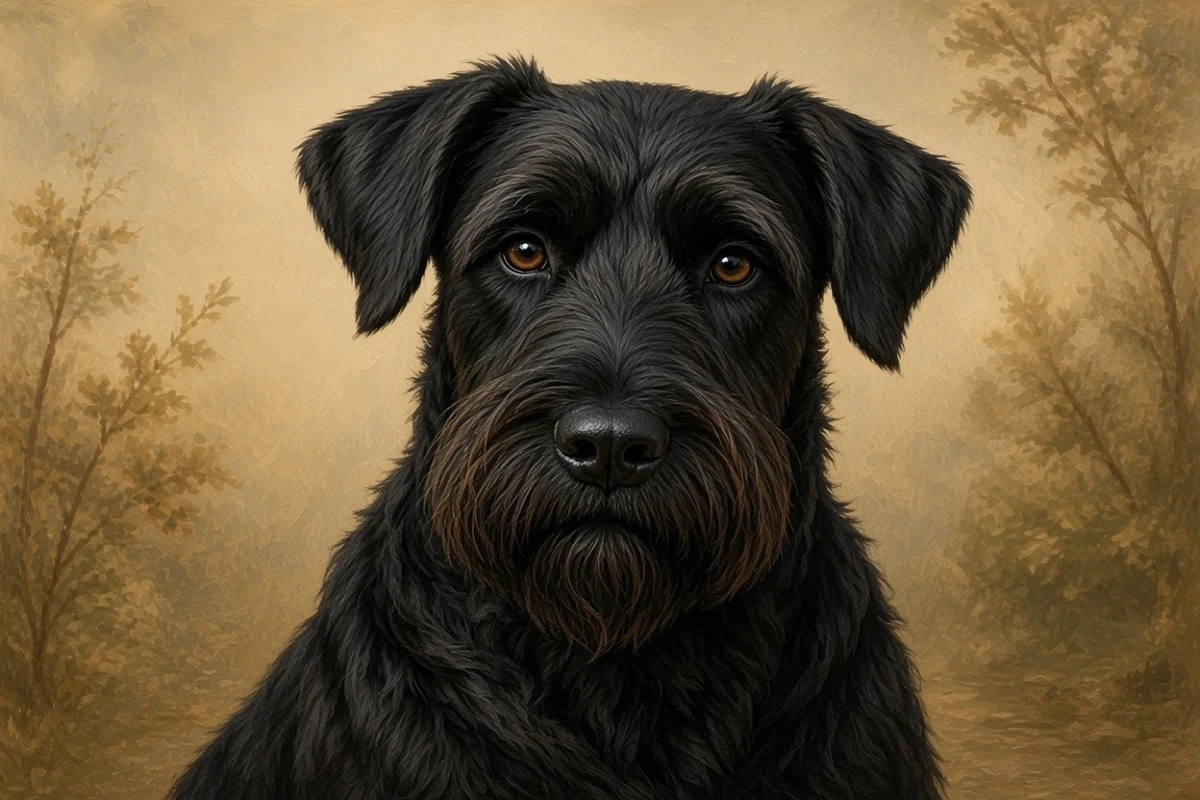
Giant Schnauzer breed illustration

Breed profile

Giant Schnauzer

Also known as Riesenschnauzer

  • Working
  • Large
  • Germany

A powerful, intelligent working breed in a harsh coat, the Giant Schnauzer thrives with experienced owners who can provide training, exercise, and clear leadership — not casual weekend attention.

Size
Large
Weight
55–85 lbs
Lifespan
12–15 years
Origin
Germany
AKC
Fully recognized

At a glance

How this breed typically shows up day to day.

  • Energy High
  • Shedding Low
  • Trainability High
  • Apartment fit Fair

Breed details

Giant Schnauzers compress working-dog intensity into a powerful, bearded frame. Bred in Germany for farm and later police-style work, they are loyal, trainable, and naturally watchful — outstanding with experienced handlers and overwhelming for casual first-time homes seeking an easy pet.

Daily life should include serious exercise and mental jobs: advanced training, sports, hiking, or structured work. Neighborhood strolls rarely satisfy an adult Giant. Under-trained dogs invent security careers at the front window; well-trained dogs become impressive, bonded partners.

The harsh coat needs brushing and periodic stripping or clipping. Beard care is daily reality. Shed can stay relatively low with proper coat work, but grooming time is not optional. Socialization is equally non-negotiable so confidence does not tip into reactivity.

Discuss hips, elbows, eyes, bloat awareness, and thyroid topics with breeders and your veterinarian. Keep the dog lean. Choose a Giant Schnauzer if you want a serious working companion and will lead training early. Look elsewhere for a soft beginner dog. Matched well, Giants are courageous, brilliant, and deeply devoted.

Temperament

Giant Schnauzers are bold, loyal, and often intensely bonded to their people. Many are naturally watchful — excellent when channeled, exhausting when left to invent security jobs at the front window.

They are working dogs in a companion-sized package of energy and brains. Undertrained Giants become pushy, barky, or reactive; well-trained Giants are impressive partners for sports, protection work, or active family life.

Early socialization and consistent manners are non-negotiable, especially around strangers and other dogs.

Exercise needs

High physical and mental needs. Plan on serious daily work: long walks, hiking, advanced training, nose work, or dog sports. Neighborhood strolls rarely suffice for an adult Giant.

Mental fatigue matters as much as mileage. Training games and jobs prevent the “alert, patrol, rehearse chaos” loop.

Raise puppies carefully — large-breed growth needs measured exercise, not endless hard play on pavement.

Grooming needs

The harsh double coat needs regular brushing and periodic hand-stripping or clipping. Many companion Giants are kept in a utility clip; show coats require more specialized work.

Beard and furnishings collect food and debris — daily wipe-downs keep the face tidy. Shed is relatively low when the coat is maintained, but grooming time is not optional.

Keep nails short and ears clean; dental care matters in bearded breeds where saliva and food linger.

Common characteristics

Large, square-built working dog with a distinctive wiry coat, beard, and eyebrows.

Typically black or pepper-and-salt; powerful and athletic rather than bulky.

Highly trainable, loyal, and naturally protective when properly socialized.

Thrives on purposeful work and clear household structure.

Common health concerns

Hip and elbow dysplasia, eye disorders, and certain autoimmune thyroid issues appear in breed conversations. Ask for orthopedic and eye clearances.

Bloat (GDV) is a risk in deep-chested working breeds — know the signs and discuss prevention with your vet.

Keep the dog lean; excess weight on a powerful frame accelerates joint trouble and heat stress.

Children & family suitability

Can be outstanding with experienced, active families that will train early and supervise children. Size and energy mean polite manners are essential around toddlers.

A poor match for first-time owners seeking an easy pet, or for quiet apartments without a serious exercise plan.

Other-pet compatibility

Many live with other dogs when raised together, though same-sex tension and resource guarding can appear without management.

Cats and small pets need careful introductions; prey and chase drive vary by individual.

Climate considerations

The wiry coat handles cool weather well. In heat, schedule intense work for cooler hours, offer water and shade, and watch for overheating.

Do not rely on shaving as a heat shortcut without professional guidance — grooming and smart scheduling are safer defaults.

The honest ledger

Pros and cons

What this breed gives — and what it asks back.

Keep

The upside

  1. 01 Highly trainable working partner
  2. 02 Loyal and courageous
  3. 03 Lower shedding with proper coat care
  4. 04 Thrives with purposeful jobs

Weigh

The trade-offs

  1. 01 High exercise and training needs
  2. 02 Coat maintenance required
  3. 03 Can be reactive if under-socialized
  4. 04 Too much dog for casual first-time homes