
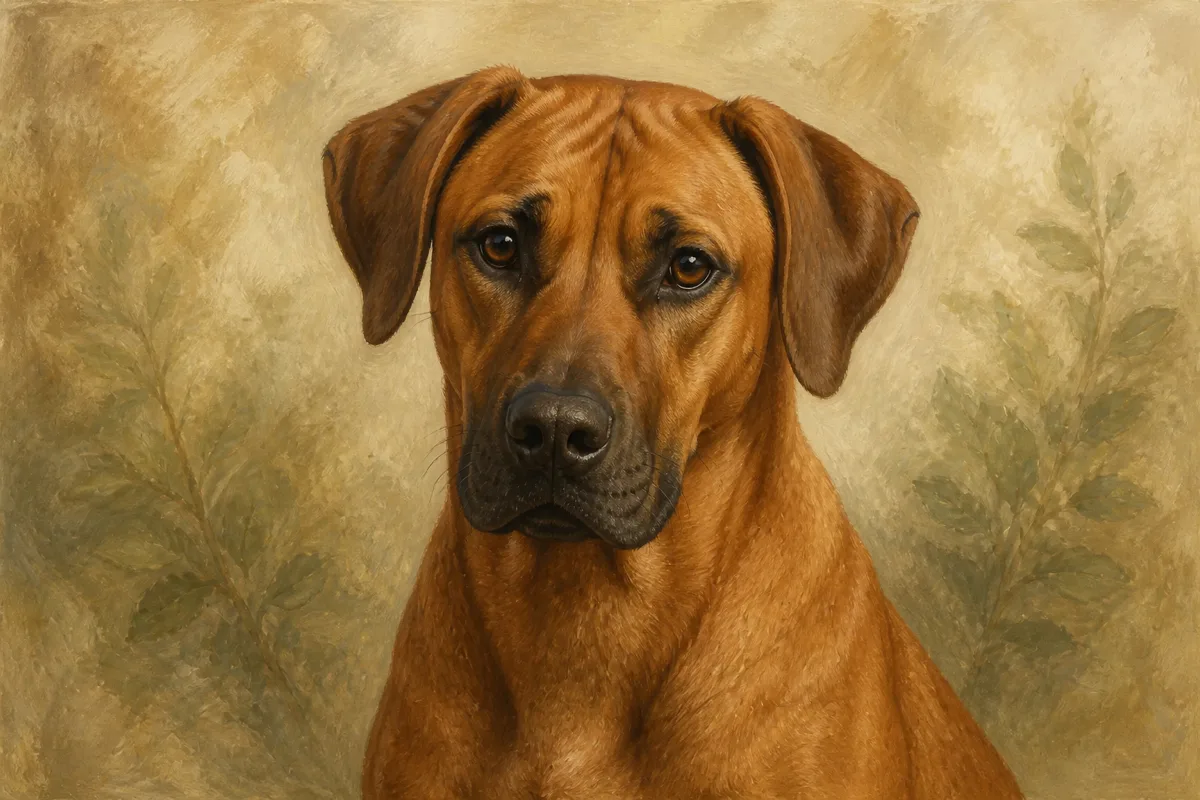
Rhodesian Ridgeback breed illustration

Breed profile

Rhodesian Ridgeback

Also known as Ridgeback · African Lion Hound

  • Hound
  • Large
  • Southern Africa

Athletic, dignified, and independent, the Rhodesian Ridgeback is a versatile hound that bonds deeply with its people while needing clear training, exercise, and respect for a strong-minded hunting heritage.

Size
Large
Weight
70–85 lbs
Lifespan
10–12 years
Origin
Southern Africa
AKC
Fully recognized

At a glance

How this breed typically shows up day to day.

  • Energy High
  • Shedding Moderate
  • Trainability Moderate
  • Apartment fit Fair

Breed details

Rhodesian Ridgebacks were developed in southern Africa as versatile hunting and homestead dogs capable of endurance, courage, and discernment. The ridge gets the attention; the independent hound mind runs daily life. They bond deeply with their people and often remain politely reserved with strangers — a feature when guided, a problem when under-socialized.

Expect an athletic dog that can be calm indoors after real exercise, not a low-energy couch statue by default. Running, hiking, and training matter. Prey drive and curiosity make secure fencing and leash habits practical necessities. They are not typically lab-like in eagerness to please; fair consistency and early manners produce better adults than hope.

Coat care is easy, which sometimes understates ownership effort. Training and exercise are the work. Dermoid sinus, hips, elbows, and thyroid topics belong in breeder conversations. Keep them lean. Deep chests mean bloat awareness should be automatic.

Family life can be excellent when kids are respectful and adolescents are supervised. Same-sex dog tension and small-animal chase risk vary by individual — assess honestly rather than assuming the breed brochure’s best case.

Ridgebacks fit owners comfortable with an independent athletic hound and committed to socialization. They are a risky impulse buy for novices seeking an instantly obedient soft pet. Matched well, they are dignified, loyal, and impressively capable partners.

Temperament

Ridgebacks are typically loyal, reserved with strangers, and affectionate with their household. Many are quiet indoors when exercised, with an independent streak that frustrates owners expecting retriever-style eagerness to please.

They were bred for endurance hunting and homestead versatility, not constant soft obedience trials. Fair, consistent training and early socialization produce a confident companion; neglect produces a stubborn adolescent with opinions.

They often choose people carefully and bond hard once trust is earned.

Exercise needs

High daily needs: brisk walks, running, hiking, and training. Young Ridgebacks can be destructive without outlets.

They enjoy having a job — scent work, lure coursing-style play, or structured obedience — alongside aerobic exercise.

Secure fencing and leash habits matter; prey drive and curiosity can send them farther than intended.

Grooming needs

Short coat: weekly brushing, baths as needed, and routine nail, ear, and dental care. Shedding is moderate.

Check the ridge and skin for irritation. Overall coat care is straightforward compared with double-coated breeds.

Keep the dog clean after muddy adventures — wheaten coats show dirt.

Common characteristics

Large, muscular hound with a distinctive ridge of hair growing forward along the back.

Typically wheaten-colored, from light to red.

Independent, athletic, and deeply loyal to family.

Strong prey drive and watchdog awareness without constant recreational barking in many dogs.

Common health concerns

Hip and elbow dysplasia, dermoid sinus (a congenital issue associated with the ridge in some dogs), and thyroid disease are important topics. Ask breeders about screening and dermoid sinus history.

Bloat risk exists in deep-chested breeds. Keep Ridgebacks lean and conditioned.

Discuss anesthesia and large-breed care norms with your veterinarian.

Children & family suitability

Can be excellent with families that provide training and exercise. They are usually good with respectful children in their own household; supervise due to size and adolescent clumsiness.

Best for owners comfortable with an independent hound mind.

Other-pet compatibility

Variable. Many live with dogs when raised together; same-sex tension can appear. Prey drive toward cats and small animals is a real consideration.

Honest assessment beats hopeful assumptions.

Climate considerations

Short coats handle heat better than northern breeds but still need shade, water, and sensible exercise timing. Cold weather may call for a coat during long outdoor stays.

They are house dogs that enjoy outdoor work, not outdoor-only living.

The honest ledger

Pros and cons

What this breed gives — and what it asks back.

Keep

The upside

  1. 01 Loyal athletic companion
  2. 02 Moderate grooming needs
  3. 03 Striking and versatile
  4. 04 Often calm indoors when exercised

Weigh

The trade-offs

  1. 01 Independent / challenging for novices
  2. 02 High exercise needs
  3. 03 Prey drive and escape risk
  4. 04 Needs early socialization and training