
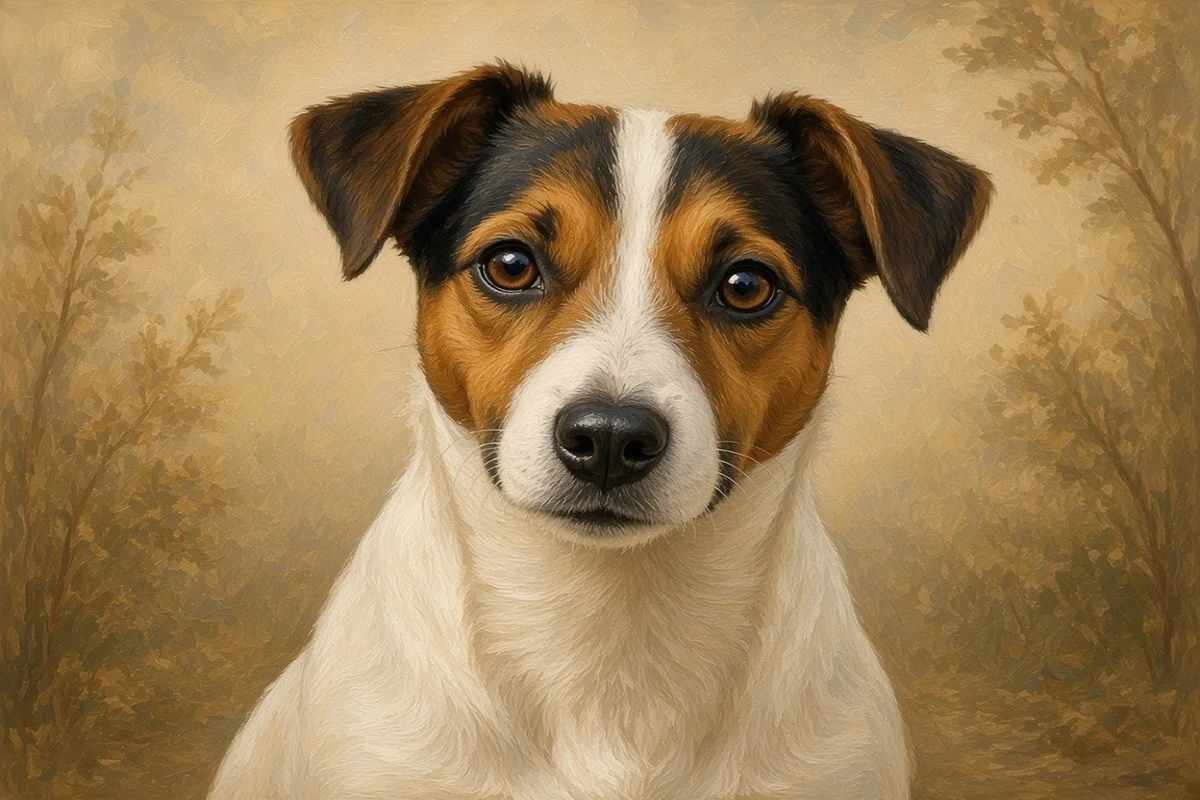
Russell Terrier breed illustration

Breed profile

Russell Terrier

Also known as Jack Russell Terrier type (AKC Russell) · Parson-related earthdog

  • Terrier
  • Small
  • England

A bold, high-octane earthdog in a small package, the Russell Terrier thrives with active owners who want a trainable firecracker — and will manage prey drive, digging, and nonstop curiosity.

Size
Small
Weight
9–15 lbs
Lifespan
12–14 years
Origin
England
AKC
Fully recognized

At a glance

How this breed typically shows up day to day.

  • Energy Very High
  • Shedding Moderate
  • Trainability High
  • Apartment fit Fair

Breed details

Russell Terriers pack earthdog voltage into a small, mostly white frame. Bred to work foxes below ground, they remain bold, brilliant, and busy — outstanding for active owners who train and play hard, exhausting for anyone hoping a small dog equals low needs.

Expect digging, chasing, and inventive mischief when underemployed. Secure fencing is mandatory. With agility, earthdog games, and daily training they are wickedly entertaining partners. Prey drive makes unsupervised life with cats and small pets a gamble.

Coat type varies; grooming stays manageable. Ask about knees, eyes, and hearing in breeding conversations. Keep them lean and supervised around bold climbing adventures.

Choose a Russell Terrier if you want a trainable firecracker and will give it jobs. Look elsewhere for a quiet lap ornament. Matched well, Russells prove that the best small dogs are often the ones with the biggest engines.

Temperament

Russell Terriers are fearless, clever, and busy. They were bred to bolt foxes and work underground — that engine still runs in pet homes as digging, barking, chasing, and inventive mischief.

With training and outlets they are brilliantly entertaining partners. Without structure they become noisy, reactive, or destructive. Intelligence cuts both ways.

Early socialization and impulse control around small animals are essential.

Exercise needs

Very high for their size: brisk walks, fetch, earthdog games, agility, and training sessions. A tired Russell is a pleasant housemate; an underworked Russell is a full-time project.

Mental work matters as much as mileage — puzzle toys and scent games help.

Secure fencing is mandatory; they are escape artists with a job description that includes “follow the interesting hole.”

Grooming needs

Coat type varies (smooth, broken, or rough). Brush weekly; rough coats may need more stripping or trimming. Shed is moderate.

Keep nails short and teeth cleaned — small busy dogs still get dental disease.

Check paws and skin after digging adventures.

Common characteristics

Small, compact, predominantly white terrier with brown and/or black markings.

High energy, high prey drive, and strong digging instinct.

Trainable and athletic when given jobs; restless when bored.

Bold earthdog temperament in an apartment-sized body.

Common health concerns

Luxating patellas, eye issues, and deafness topics (especially in predominantly white dogs) appear in breed conversations — ask about relevant testing.

Keep them lean; excess weight on a small athletic frame hurts joints and stamina.

Injuries from bold climbing, digging, and chase sports happen — condition and supervise.

Children & family suitability

Great with active families that will train manners and supervise play with children. They can be too intense and mouthy for very young kids without structure.

A weaker match for quiet households, fragile small-pet homes, or owners wanting a low-energy lap dog.

Other-pet compatibility

Strong prey drive makes unsupervised life with cats, rabbits, and rodents risky. Other dogs can work with socialization, though terrier sparring appears in some individuals.

Manage greetings and resources deliberately.

Climate considerations

Handle cool weather well. In heat, keep intense play to cooler hours — small dogs still overheat when endlessly chasing.

Provide shade, water, and recovery time after earthdog or agility sessions.

The honest ledger

Pros and cons

What this breed gives — and what it asks back.

Keep

The upside

  1. 01 Trainable, athletic little working terrier
  2. 02 Huge personality in a small footprint
  3. 03 Excellent for sports and active owners
  4. 04 Alert and entertaining companion

Weigh

The trade-offs

  1. 01 Very high energy and prey drive
  2. 02 Digging and barking if underworked
  3. 03 Needs secure fencing
  4. 04 Too intense for casual low-key homes