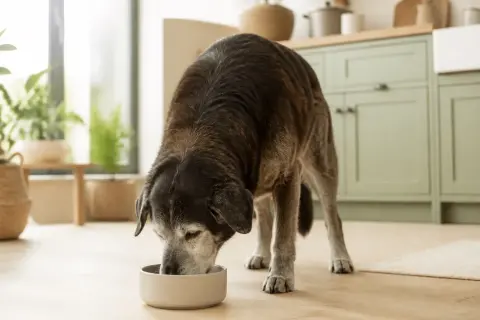

Dogs notice bag betrayal. A sudden swap from “the usual” to a brand-new formula is a classic way to earn soft stools, skipped meals, and a household that regrets optimism. This guide under our Complete Guide to Dog Food & Treats walks through a slow, boring, effective transition — the kind that respects tummies.
Choose the destination food first with How to Choose Dog Food, then come back here for the calendar. Specialty lanes: puppies, seniors, grain-free, limited ingredient.
Who this guide is for
Anyone changing brands, life stages (puppy to adult, adult to senior), wet/dry ratios, or rotating proteins. Also fosters and adopters inheriting a shelter diet that needs a gradual bridge to the forever bowl.
Slow swaps beat tummy drama
Most healthy dogs do well with a 7–10 day transition: gradually increase the new food while decreasing the old. Sensitive dogs — chronic soft stools, anxious guts, seniors, or recent GI upsets — may need 10–14 days or longer. Speed is not a virtue here. The goal is formed stools, steady appetite, and a dog who does not treat the kitchen like a crime scene.
A simple 7–10 day schedule
- Days 1–2: 75% old / 25% new
- Days 3–4: 50% old / 50% new
- Days 5–6: 25% old / 75% new
- Days 7–10: 100% new (hold longer at 50/50 if stools soften)
Mix thoroughly so the dog cannot pick around the “weird” kibble like a salad bar critic. If you are adding wet food into a dry routine, treat the wet calories as part of the total — see Wet Food vs. Dry Food.
Portion math during the swap
Calories per cup differ between brands. Do not assume one cup of old equals one cup of new. Check kcal on both bags and aim for similar daily energy at first, then adjust for body condition over the next two weeks. A kitchen scale beats optimistic scoops.
Trial sizes help you commit without waste: Blue Life Protection 5lb, Open Farm 4lb, or life-stage minis like Blue Puppy 5lb and Hill’s 7+ 5lb.
Toppers during the switch
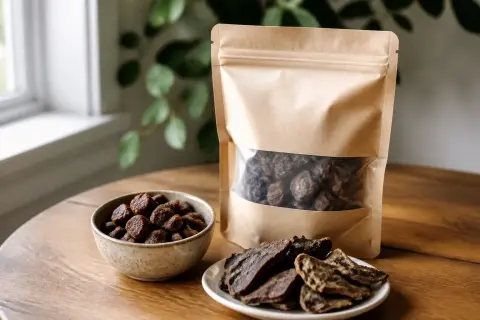
A light sprinkle of Stella & Chewy’s Chicken Meal Mixers can make the new formula smell like a win. Keep toppers consistent and small — if you escalate toppers daily to bribe acceptance, you are training pickiness, not transitioning food. Subtract topper calories from the daily total.
Warm water or a spoon of wet food (for example a bit of Cesar Classic Loaf or senior stew when appropriate) can help aroma without inventing a new diet identity every night.
When to pause and call the vet
- Repeated vomiting, especially with lethargy
- Bloody, black, or explosively watery stool
- Refusal to eat for more than a meal or two in puppies/seniors
- Itching or ear flares that explode mid-trial (log it; call if severe)
- Any dog with known pancreatitis history or chronic GI disease — get a custom plan
Going backward one step in the ratio (more old food) is allowed when stools soften mildly. Going full speed through diarrhea is not a personality flex.
Treats during transition
Keep training treats familiar and modest so you are not introducing three new variables. Soft bits like Blue Buffalo Bits are fine for most dogs if they already tolerate them — Best Dog Treats for Training. During strict elimination diets, ask your vet before any extras — LID guide.
Practical tips
- Buy enough old food to finish the schedule before the bag ghosts you
- Change one major thing at a time (food first, new dental chew later)
- Puzzle feeders like an Outward Hound Fun Feeder slow vacuum-eaters during stressful weeks
- Log stool quality for a week — future you will thank past you
Our recommendations
Shop food & treats. Links may earn a commission — advertising disclosure.
- Stella & Chewy’s Mixers — Light topper for picky transition days.
- Blue Life Protection 5lb — Trial-size destination food option.
- Cesar Classic Loaf — Optional wet aroma assist in measured spoons.
- Outward Hound Fun Feeder — Slow the inhale during change weeks.