
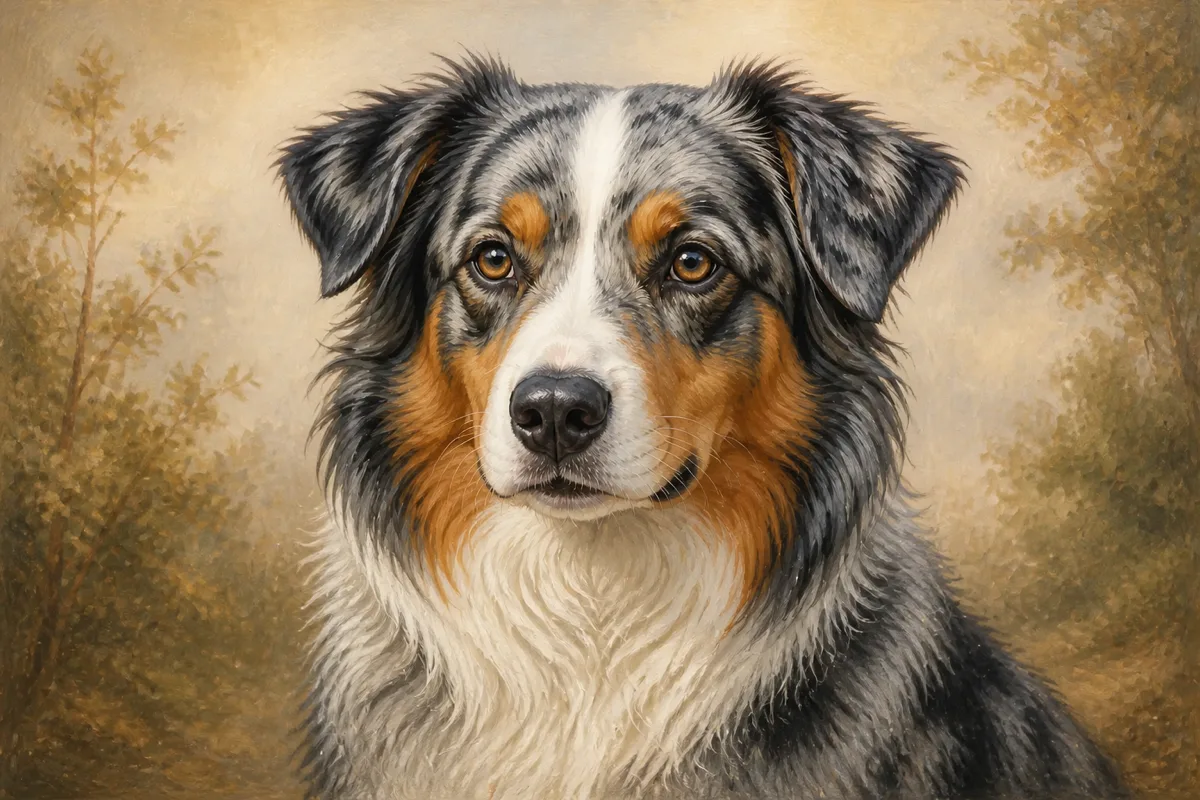
Miniature American Shepherd breed illustration

Breed profile

Miniature American Shepherd

Also known as Mini Aussie · MAS

  • Herding
  • Small
  • USA

A compact herding dog with Aussie brains in a smaller footprint, the Miniature American Shepherd thrives with training and daily work — and struggles when treated as a low-effort “apartment Aussie.”

Size
Small
Weight
20–40 lbs
Lifespan
12–15 years
Origin
USA
AKC
Fully recognized

At a glance

How this breed typically shows up day to day.

  • Energy Very High
  • Shedding High
  • Trainability High
  • Apartment fit Fair

Breed details

Miniature American Shepherds are what happens when Australian Shepherd brains are packed into a more portable frame. Developed in the United States from Aussie stock, they keep the herding drive, people focus, and merle flash — without losing the need for a job. “Mini” describes size, not lifestyle requirements.

Owners who treat them as low-effort apartment Aussies are often surprised. Many still want to organize children, chase movement, and work their brains daily. With agility, herding, advanced obedience, or serious hiking and training games, they become affectionate, brilliant partners. Without those outlets, nipping, barking, and restlessness show up fast.

Coat care is an honesty check: heavy double-coat shedding is part of the package. Merle breeding ethics matter — responsible programs avoid high-risk pairings that raise deafness and eye anomaly risk. MDR1 and eye/hip screening belong in purchase conversations, just as with full-size Aussies.

They bond hard and can struggle with isolation. Alone-time skills need practice. Puppies need measured exercise so drive does not destroy developing joints on hard surfaces.

Choose a Mini American Shepherd if you want a trainable herding companion in a smaller footprint and will exercise like you mean it. Skip the breed if you need a calm, low-shed, low-drive small dog. Size helps logistics; it does not cancel the working brain.

Temperament

Mini American Shepherds are bright, loyal, and often intensely people-focused. They notice movement and opportunities to organize the world — including kids, pets, and joggers — with classic herding intensity packed into a smaller body.

That brain is a gift for sports and a challenge for casual ownership. Without outlets, many become restless, nippy, barky, or anxious. With structure, they are affectionate, trainable partners.

Size does not equal low drive. Meet parents and be honest about your activity level.

Exercise needs

Expect high-to-very-high daily needs: walks, runs, hiking, fetch, agility, herding, or advanced obedience. A bored Mini Aussie is rarely a quiet one.

Mental work is mandatory. Training games, scent work, and puzzle tasks prevent the “I already walked and I still have opinions” spiral.

Protect growing joints with measured puppy exercise rather than endless hard play.

Grooming needs

The double coat sheds heavily and blows seasonally. Brush several times a week; daily during coat change. Undercoat rakes help.

Bathe as needed. Check ears, keep rear feathering tidy, and trim nails regularly. Merle patterning does not reduce grooming workload.

Plan for hair on clothes and furniture — it is part of the breed package.

Common characteristics

Small-to-medium athletic herding dog developed from Australian Shepherd stock scaled down.

Coat colors include blue merle, red merle, black, and red, with or without white and tan markings.

High intelligence and strong work ethic in a more portable size.

Sensitive and people-oriented; can struggle with isolation.

Common health concerns

Eye disorders and hip dysplasia are key screening topics, similar to Australian Shepherds. MDR1 drug-sensitivity testing is relevant in some herding lines.

Deafness and eye anomalies can be associated with certain merle breeding choices; responsible breeders avoid high-risk pairings.

Keep the dog lean and conditioned so drive does not outrun soundness.

Children & family suitability

Excellent for active families that will train and exercise them. They may try to herd running kids — redirect early.

Less suitable for sedentary homes or owners seeking a small dog with small needs.

Other-pet compatibility

Many live well with other dogs when socialized, though herding and chase instincts can complicate life with cats or small pets.

Supervise and train impulse control; compact size does not cancel prey or herding drive.

Climate considerations

Double coats handle cool weather well. In heat, exercise during cooler hours, offer water and shade, and watch for overheating.

Do not shave the coat as a heat fix without veterinary or grooming guidance.

The honest ledger

Pros and cons

What this breed gives — and what it asks back.

Keep

The upside

  1. 01 Highly trainable in a compact size
  2. 02 Loyal companion for active homes
  3. 03 Excels at dog sports
  4. 04 Portable compared with full-size Aussies

Weigh

The trade-offs

  1. 01 Very high exercise and mental needs
  2. 02 Heavy shedding
  3. 03 Can herd children and chase movement
  4. 04 Not a low-effort apartment pet