
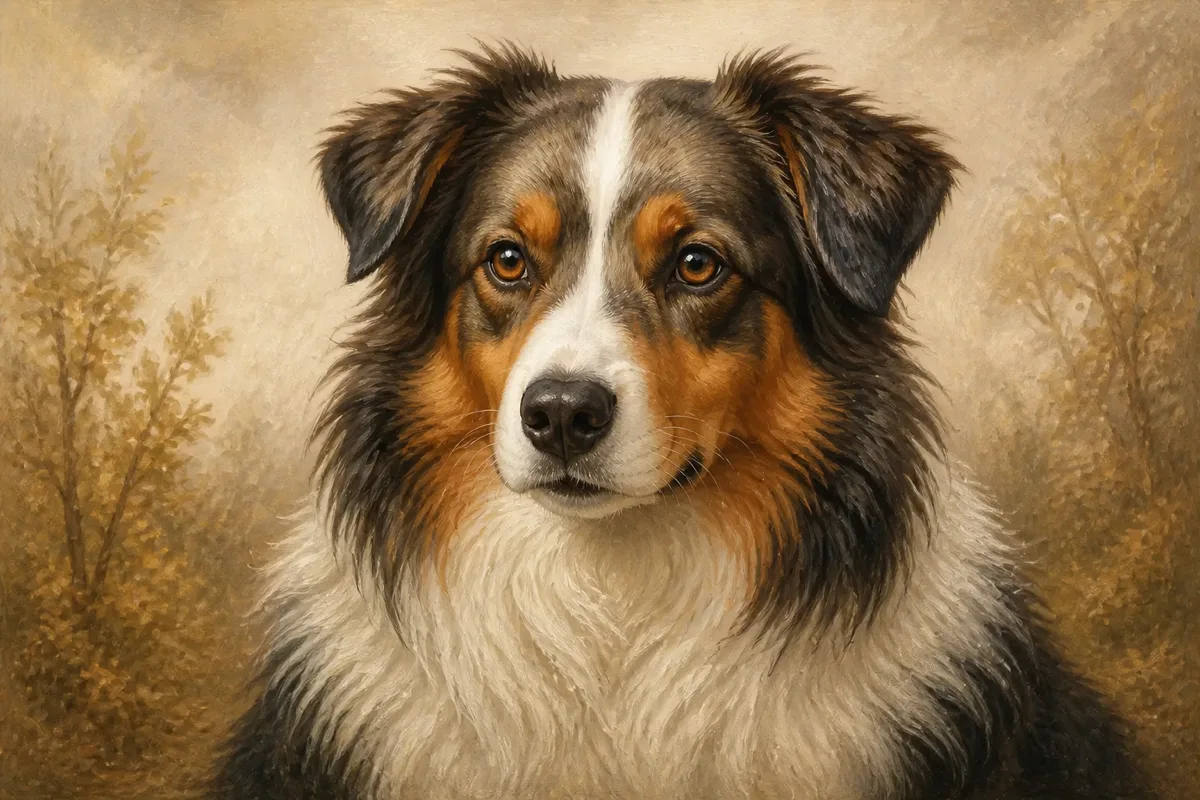
Shetland Sheepdog breed illustration

Breed profile

Shetland Sheepdog

Also known as Sheltie

  • Herding
  • Small
  • Scotland

Bright, sensitive, and famously vocal, the Shetland Sheepdog is a miniature collie-type herding companion that thrives on training — and needs owners ready for coat care and a watchdog’s voice.

Size
Small
Weight
15–25 lbs
Lifespan
12–14 years
Origin
Scotland
AKC
Fully recognized

At a glance

How this breed typically shows up day to day.

  • Energy High
  • Shedding High
  • Trainability High
  • Apartment fit Good

Breed details

Shetland Sheepdogs prove that small herding dogs still come with big jobs. Developed in Scotland’s Shetland Islands as farm and flock companions, Shelties combine collie-like elegance with a watchdog’s voice and a sensitive desire to work with people. They are brilliant students — and excellent announcers of the mailman.

Training is a lifestyle strength. Many excel in obedience, agility, and rally when handled kindly. Harsh corrections damage trust in a breed that notices tone and tension. Barking management should start early; hoping they “grow out of alertness” is wishful thinking. Enrichment and a quiet cue help more than scolding alone.

The lush double coat is beautiful and relentless. Seasonal blows fill brushes and vacuums. Owners who love the mane must love maintenance. Apartments can work when exercise, training, and noise manners are real — Shelties are more apartment-feasible than larger herding breeds, not automatically apartment-easy.

Health topics include CEA and other eye issues, hips, thyroid disease, and MDR1 drug sensitivity in some lines. Keep them lean under the fluff; weight is easy to miss visually and hard on joints and heat comfort.

Shelties suit people who enjoy training a devoted, sensitive companion and will handle coat and voice honestly. They are a poorer match for chaos-heavy homes, shedding-intolerant households, or anyone seeking a silent lap dog. Respect the herding mind, and a Sheltie becomes a witty, loyal partner.

Temperament

Shelties are intelligent, devoted, and often finely tuned to their people’s moods. Many are eager students that excel in obedience and sports, with a soft sensitivity that makes harsh corrections counterproductive.

Barking is a real breed trademark. They notice visitors, delivery trucks, and suspicious leaves. Early “quiet” training and enrichment help more than hoping they outgrow alertness.

Some are reserved with strangers; broad socialization shapes confidence without erasing natural watchfulness.

Exercise needs

High energy relative to size: daily walks, play, and training games are baseline. Many thrive in agility, rally, and herding-related sports.

Mental work settles them. A Sheltie that has only had physical exercise often still has opinions left over.

They fit apartments better than larger herding breeds when exercise and barking management are consistent.

Grooming needs

The long double coat sheds heavily and blows seasonally. Brush several times weekly; daily during coat change. Neglect leads to mats behind ears and in the pants.

Bathe as needed and dry thoroughly. Keep nails short and check ears. Feathering collects debris outdoors.

Coat care is a serious time commitment — budget for it honestly.

Common characteristics

Small herding dog with a lush mane, feathering, and a collie-like expression.

Common colors include sable, black, and blue merle with white and tan markings.

Highly trainable, sensitive, and often vocal.

Strong desire to work with a handler in a compact package.

Common health concerns

Eye disorders (including CEA), hip dysplasia, and thyroid disease appear in breed health conversations. Dermatomyositis and certain drug sensitivities related to MDR1 are discussed in some lines.

Ask for relevant clearances and talk openly about temperament and noise sensitivity in the line.

Keep Shelties lean; excess weight stresses joints and can worsen heat discomfort under a heavy coat.

Children & family suitability

Often excellent with respectful families that will train manners and manage barking. Sensitive dogs may struggle with chaotic, rough households.

Great for owners who enjoy training; less ideal for anyone seeking a quiet, low-shed lap dog.

Other-pet compatibility

Generally good with other dogs and cats when socialized, though herding instincts can mean chase-and-organize behavior.

Supervise introductions and reinforce calm cohabitation skills.

Climate considerations

Heavy coats handle cold well. In heat, shorten intense exercise, provide shade and water, and never shave casually as a cooling strategy.

Brush more in warm months when undercoat blows; mats trap heat and moisture.

The honest ledger

Pros and cons

What this breed gives — and what it asks back.

Keep

The upside

  1. 01 Highly trainable and versatile
  2. 02 Loyal, people-focused companion
  3. 03 Good apartment potential with exercise
  4. 04 Excels at dog sports

Weigh

The trade-offs

  1. 01 Can be very barky
  2. 02 Heavy shedding and coat care
  3. 03 Sensitive to harsh handling
  4. 04 Needs daily mental work