A crate is a den with a door and a plan — not a jail sentence you invent when the living room becomes a crime scene. Done well, it is a rest station, a travel familiar, and the quiet place that means “off duty” when guests, storms, or vacuum days arrive.
This guide sits under our Complete Guide to Dog-Friendly Homes. Puppy-specific sizing and divider workflows live in Best Puppy Crates.
Den, not dungeon
Dogs need a place that is boring in the best way: soft bedding when they will not shred it, airflow, and a cue that rest is allowed. Force, long isolations, and “crate equals only when I leave” create drama. Short positive sessions, meals inside, and calm exits build the association you actually want.
Size for the adult you will have
Buy for expected adult length (nose to base of tail, standing height) and use a divider while they are small. Standing, turning, and lying fully stretched should fit without turning the crate into a studio apartment. Too big for a housetraining puppy can invite “bathroom suite” energy; too small for an adult is just mean.
Wire crates for everyday homes
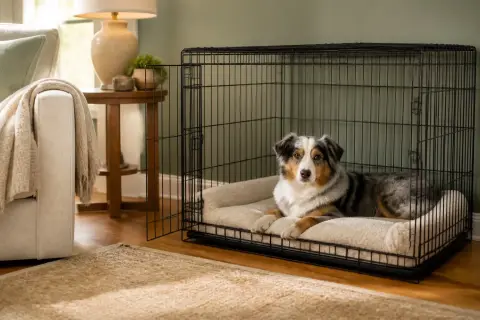
Wire crates win most household votes: airflow, visibility, fold-flat storage, and divider-friendly growth. The MidWest iCrate 24" Single Door is the classic starter for many small dogs and young pups — confirm dimensions against your breed’s adult size. Labs do not retire in a 24-inch palace.
Top pick: MidWest iCrate 24" Single Door — foldable, washable pan, everyday den energy when sized correctly.
Wire also makes supervision easier: you can see whether your dog is settling or rehearsing escape art. Slide-out pans forgive the occasional accident without turning cleanup into furniture demolition.
When to upgrade the crate experience
Frequent travelers, apartment dwellers who hate hauling permanent wire fortresses, and dogs who need a collapsible “set up, decompress, collapse” workflow may prefer something like the DIGGS Revol. Premium does not forgive zero training — fancy latches still need practice at home before hotel debuts.
Upgrade pick: DIGGS Revol Collapsible Crate (Ash, Medium).
Plastic airline-style crates and soft crates have niches (travel rules, den feel) but soft sides are often a chew risk for adolescents. Match the crate to the dog’s mouth and your use case, not the prettiest Instagram crate.
Crate training basics that beat brand loyalty
- Feed meals in the crate with the door open, then briefly closed
- Keep early sessions short; end before protest becomes the hobby
- Cover partially if your dog settles better with less visual chaos — never block airflow
- Pair with an exercise pen for awake containment that is larger than a nap box
- Never use the crate as punishment theater
- Ignore attention-barking once needs are met; reward quiet releases
Where the crate lives
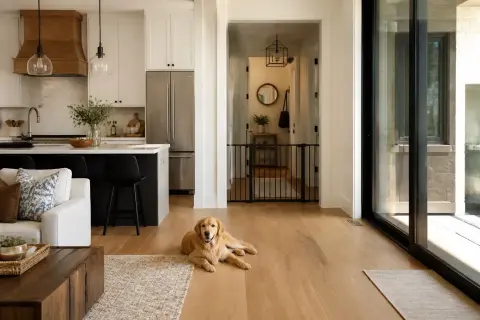
Park it in family space first so the den is not exile. Move to a quieter corner for overnight once the association is solid. Keep the path clear of door dashes and vacuum ambushes. If the crate faces the front window where delivery trucks audition, you have built a lookout with a latch.
Wash pans and bedding on a schedule that admits reality. A funky crate invents avoidance faster than a bad training session.
Our recommendations
Shop home. Links may earn a commission — advertising disclosure.
- MidWest iCrate — Everyday wire crate for most homes.
- DIGGS Revol — Collapsible premium when travel and setup matter.
- MidWest Exercise Pen — Larger safe zone between crate rests.
Build the calm corner with How to Create a Calm Dog Space, then return to the Home hub.