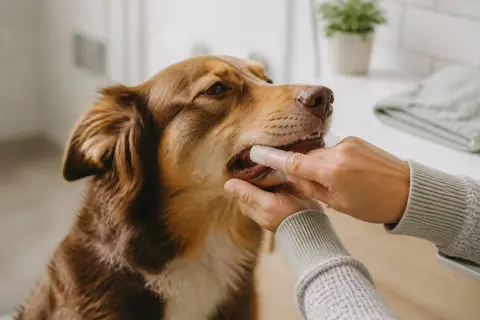
A good veterinary visit is half medicine and half preparation. Owners who arrive with a short symptom timeline, a medication list, and clear questions get better answers — and waste less of a busy clinician’s appointment block. Checklists will not diagnose your dog. They will keep you from remembering the weird midnight limp only after you are back in the parking lot.
Important: Poochopolis is not a substitute for veterinary care. These checklists are educational preparation tools. Emergency signs (trouble breathing, collapse, bloating with retching, seizures, uncontrolled bleeding, toxin ingestion) mean go now — do not finish a paperwork ritual first. When in doubt, call your clinic or an emergency hospital for triage.
This guide sits under our Complete Guide to Dog Wellness. For what to watch between visits, see How to Spot Health Changes Early. Light commerce note: if giving pills is a struggle, Greenies Pill Pockets can help with compliance after your vet prescribes something — they are optional, not part of the exam itself.
Who this guide is for
New puppy parents, adult-dog households doing annual wellness, and senior-dog owners heading into more frequent exams. Also useful before specialist referrals when records scatter across clinics.
Universal prep (every life stage)
- Write the top 3 concerns in priority order
- Note onset, frequency, and what makes symptoms better/worse
- List all foods, treats, chews, supplements, preventives, and medications (with doses)
- Bring prior records or request transfers before the visit when possible
- Note appetite, drinking, urination, stool, energy, cough, itch, and limp changes
- Take a short video of intermittent problems (seizures, reverse sneezing, skipping gait)
- Arrive with questions written down — memory fails in the exam room
- Ask about cost ranges before optional diagnostics when budget matters
Puppy visit checklist
Bring / know
- Breeder, rescue, or shelter medical paperwork
- Current diet (brand, amount, schedule) and any GI upsets
- Vaccine history to date; ask what is due next and when
- Parasite prevention plan (intestinal, flea/tick, heartworm as regionally appropriate)
- Socialization progress and fear flags (sounds, handling, other dogs)
- House-training and crate status — not for judgment, for coaching
Ask
- Which vaccines are core vs. lifestyle-based for our household?
- When can we safely increase public outings given local disease risk?
- What dental and handling habits should we start now?
- Ideal body condition during growth — how do we avoid overfeeding?
- Spay/neuter timing discussion for this breed/size?
- What emergencies are most common in puppies, and when do we go ER?
Adult dog visit checklist
Bring / know
- Year-over-year weight or body condition notes
- Dental home-care habits (brushing, chews) — be honest
- Exercise routine and any exercise intolerance
- Travel, boarding, daycare, or dog-park exposure
- Behavior changes: anxiety, aggression, nighttime restlessness
- Seasonal issues: allergies, ear flares, hot spots
Ask
- Are we due for heartworm and fecal testing?
- Do you recommend baseline bloodwork at this age?
- Is dental cleaning indicated based on today’s oral exam?
- Any breed-specific screening we should plan?
- Calorie target if weight is creeping up?
- Which symptoms should trigger a same-week recheck vs. ER?
If weight is the main topic, skim Best Weight Management Tips before the visit so you can discuss measuring and treats concretely.
Senior dog visit checklist
Bring / know
- Mobility log: stairs, jumping into the car, morning stiffness duration
- Nighttime pacing, confusion, or house-soiling changes
- Vision/hearing impressions (startle responses, bumping furniture)
- Current pain meds or joint supplements — and whether they seem to help
- Appetite shifts, vomiting, diarrhea, or increased thirst/urination
- Lumps: location photos with dates if you track them
Ask
- Should we move from annual to twice-yearly exams?
- What senior labs and blood pressure checks make sense?
- Is this “getting old,” or should we investigate pain?
- Dental disease risk vs. anesthesia risk — how do you weigh them?
- Rehab, weight loss, or medication options for mobility?
- Quality-of-life markers you want us to watch at home?
Joint products belong in the conversation only with clinic input — see Best Joint Supplements for Dogs.
Records worth keeping in one place
- Vaccine certificates and titers if used
- Rabies tag / license information
- Lab results and dental charts
- Radiograph or specialist reports
- Microchip number and registry login
- Pharmacy list with last fill dates
- Emergency clinic address and after-hours phone
A phone folder of PDFs beats a glove-box graveyard of crumpled printouts.
Questions that unlock better care
- “What is the most likely cause, and what else is on your differential?”
- “What happens if we monitor vs. test today?”
- “What side effects should make us stop a medication?”
- “When should we follow up if we do not see improvement?”
- “Can you show me the body condition score on my dog?”
- “What home care matters most before the next visit?”
Optional: making meds easier
If your veterinarian starts a medication or supplement and your dog refuses pills, ask about formulations first (liquids, chewables). When a pocket treat is appropriate, Greenies Pill Pockets (Large, Peanut Butter) are a common helper — count the calories if weight is a concern. Links may earn a commission; see our advertising disclosure.
A simple decision path
- Emergency signs? → Go now; skip the perfect checklist.
- Puppy series visit? → Vaccines, parasites, socialization, growth diet questions.
- Adult annual? → Weight, dental, preventives, lifestyle risk questions.
- Senior visit? → Mobility, labs, pain vs. aging, quality-of-life markers.
- Always reactive instead of scheduled? → Read Preventive Care vs. Reactive Care.
- Want the full wellness map? → Complete Guide to Dog Wellness.