
Early detection is less about medical training and more about knowing your dog’s boring normal. Appetite, stool, gait, thirst, sleep spots, and greeting style form a baseline. When that baseline drifts, you notice sooner — and you give your veterinarian better information. Spotting change early is not the same as diagnosing disease. Your job is pattern recognition and timely escalation, not naming the illness from a search result.
Important: Poochopolis is not a substitute for veterinary care. Nothing in this guide diagnoses or treats medical conditions. Supplements and home remedies are not treatments. If your dog shows emergency signs, seek veterinary care immediately. When you are unsure whether something can wait overnight, call your clinic or an emergency line for triage advice.
This guide sits under our Complete Guide to Dog Wellness. Use it with vet checkup checklists before appointments and preventive vs. reactive care when you are deciding how proactive to be between visits.
Who this guide is for
Owners who want a practical observation system — especially multi-dog homes, seniors, and households that tend to normalize gradual decline (“he’s just getting old”) until it becomes a crisis.
Build a baseline on purpose
Spend one ordinary week noticing without obsessing:
- Appetite and water: finishes meals? begs more? bowl empties faster?
- Stool and urine: frequency, effort, accidents, color extremes (without becoming a lab technician)
- Energy: morning bounce, afternoon crash, interest in walks
- Gait: stairs, jumping into the car, head bob, shortened stride after rest
- Breathing at rest: quiet and effortless vs. loud, rapid, or abdominal effort
- Skin and coat: new itch intensity, odor, bald patches, lumps
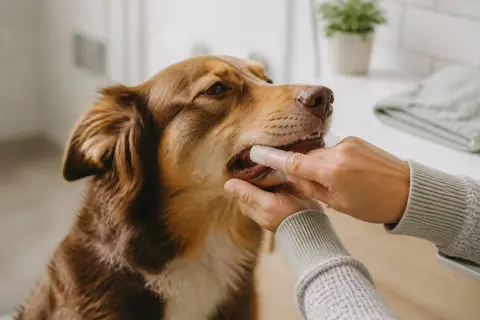
- Mouth: breath change, drooling, dropping food, pawing at face
- Behavior: clinginess, hiding, irritability, night pacing, sound sensitivity
Write a three-line note on your phone if something seems off. Dates matter more than adjectives.
Trend vs. one-off
- One skipped meal after a hot afternoon may be a watch-and-offer pattern
- Three days of half-eaten meals is a call-the-clinic pattern
- One soft stool after stolen people-food is different from repeated diarrhea with lethargy
- A single slip on ice differs from recurring hind-end weakness
Trends and clusters (appetite + energy + stool together) deserve faster attention than isolated blips in an otherwise bright dog.
Red flags that deserve prompt attention
These are observation prompts — not diagnoses:
- Marked lethargy or hiding in a normally social dog
- Repeated vomiting or diarrhea, especially with weakness
- Sudden appetite loss lasting more than a day in adults (sooner for puppies/toy breeds)
- Increased thirst and urination that is clearly new
- New or worsening limp, reluctance to jump, or yelping when touched
- Coughing, exercise intolerance, or breathing that looks harder than usual
- Itching that breaks skin, ear odor/pain, or eye squinting/discharge
- Bad breath with oral pain signs, drooling, or facial swelling
- Unexplained weight change over weeks
- Behavior shifts: new aggression, disorientation, or house soiling in a housetrained dog
Emergency vs. next-day (triage framing)
Seek emergency care now
- Collapse, unresponsiveness, or extreme weakness
- Trouble breathing, blue/pale gums, or nonstop harsh panting at rest
- Seizures, especially first-time or clustered
- Bloated abdomen with unproductive retching (suspect GDV risk — emergency)
- Uncontrolled bleeding, known trauma, or suspected broken bone
- Known or suspected toxin ingestion (chocolate, xylitol, rodenticide, etc.)
- Inability to urinate, especially male dogs straining without producing urine
- Penetrating wounds, eye trauma, or heatstroke signs after hot confinement
Call same day / do not wait for the annual exam
- Pain that is obvious (crying, trembling, guarding)
- Repeated vomiting or diarrhea with lethargy
- Sudden severe lameness (non-weight-bearing)
- Neurologic worries: knuckling, circling, sudden blindness suspicion
- Puppy or senior “not right” that worries your gut
Often okay to monitor overnight — then call if unchanged
- Single mild soft stool in an otherwise bright, drinking dog
- Brief limp after hard play that improves with rest (still note it)
- Mild itch without open wounds
- One skipped meal with normal energy and no other signs
If you are bargaining with yourself at 2 a.m., call a professional for triage. Guessing wrong toward caution is cheaper than guessing wrong toward delay.
How to observe without spiraling
- Check resting respiratory rate occasionally in seniors (ask your vet what range they want logged)
- Feel ribs monthly — weight creep is quiet
- Run hands over the body weekly for new lumps; photo with a coin for scale
- Watch stairs — early mobility changes show up there first
- Do not diagnose via social media comment sections
What to tell the vet (so early becomes useful)
- When it started and whether it is better, worse, or intermittent
- What you have already tried (and doses, if anything was given)
- Videos of intermittent events
- Full list of food, treats, preventives, and supplements
- Your top concern in one sentence
Preparation details live in Best Vet Checkup Checklists.
Where products fit (and where they do not)
Early observation may lead your veterinarian to recommend dental care, weight change, joint support, or situational calming tools later. Those decisions come after clinical assessment — not from an article telling you to order a soft chew tonight. When your vet does approve home-care tools, the wellness shop and supporting guides (dental, joints, calming, weight) can help you compare options.
A simple decision path
- Emergency list match? → Go to urgent/ER care now.
- Painful, rapidly worsening, or clustered symptoms? → Call same day.
- Mild one-off in a bright dog? → Monitor overnight; call if unchanged or new signs appear.
- Gradual trend over weeks? → Book a non-emergency exam; bring notes.
- Need structured home habits after the visit? → Build a wellness routine.
- Want the full hub? → Complete Guide to Dog Wellness.