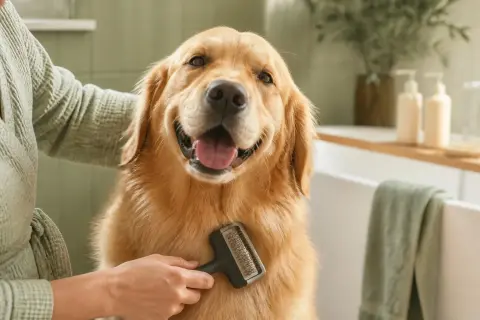
Dog grooming is half hygiene, half diplomacy, and entirely about the coat you actually live with — not the salon-smooth dog on the shampoo bottle. This is the Grooming hub for Poochopolis: how brushing, bathing, nails, and ears fit together, which tools earn drawer space, and when a pro (or a vet) should take the scissors away from your optimism.
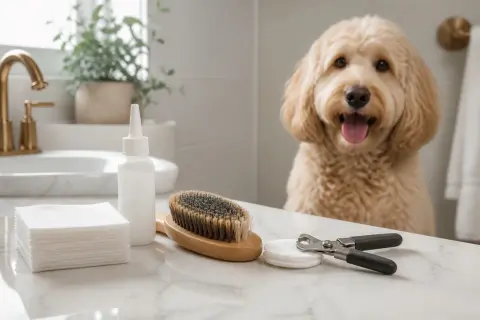
Start with coat type and temperament. A double-coated shedder and a curly “mats overnight” breed need different calendars. A dog who panics at clippers needs different pacing than a dog who naps through nail files. Then build a kit that serves real jobs — not every gadget with a paw print on the packaging.
Browse curated picks in the grooming shop, or jump into supporting guides: brushes, shampoos, nail clippers, long-coat tools, at-home routines, how to bathe, safe nail trims, and pro vs. home.
What “good grooming” actually means
Good grooming is boring in the best way. Skin stays comfortable, nails clear the floor, ears do not invent mystery odor, and mats never become a veterinary tourism souvenir. You finish sessions without turning the bathroom into a mutual hostage situation.
That outcome comes from matching tools to coat, keeping sessions short and positive, and knowing which jobs belong at home versus on a groomer’s table.
Grooming jobs that matter
- Coat maintenance — brush out loose hair and prevent mats before they need scissors and apologies
- Skin comfort — bathe with dog-safe shampoo when dirty or itchy — not on a perfume schedule
- Nail length — keep tips from clicking, curling, or changing gait
- Ear checks — spot odor, redness, or discharge early; clean only when appropriate
- Between-bath freshness — wipes for paws, messes, and “we just rolled in something philosophical”
- Pro partnership — salon visits for breed cuts, dematting beyond home skill, and sanitary trims
- Vet escalation — skin disease, ear infections, limping after nail injury, and anything that hurts
If a product does not serve one of those jobs for this dog, it can wait in the wishlist where impulse grooming gadgets go to rest.
Coat types without the folklore
Short single coats need light brushing and less drama. Double coats shed in seasons and reward undercoat tools used gently. Long and silky coats mat if you skip days. Curly and wool coats need frequent combing and usually a groomer who understands the breed cut. Wire and harsh coats may need hand-stripping or salon technique — ask before you invent a home makeover.
Never shave a double coat “for summer” because an influencer said so. Ask a groomer who knows the breed. Wrong cuts can wreck insulation and regrowth. If you cannot name your dog’s coat type, ask the groomer once and write it on the fridge — that answer drives every tool you buy next.
Brushing: the daily (or almost-daily) peace treaty
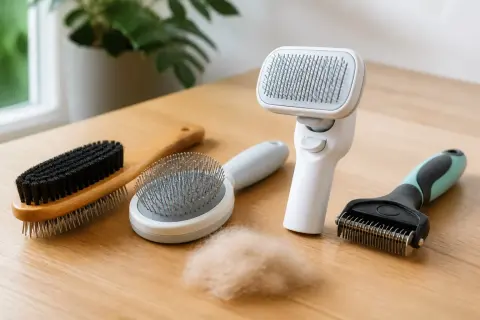
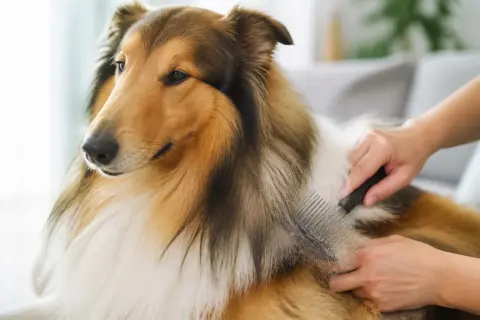
Brushing is how you find mats early, distribute oils, and keep furniture from becoming a secondary dog. Everyday slickers like the Hertzko or Swihauk handle most coats with light pressure. Serious undercoat? Reach for a FURminator, SleekEZ, or undercoat rake — short strokes, dry coat, stop at skin.
Friction zones invent mats first: behind ears, armpits, collar line, rear feathers. A three-minute daily pass there beats a weekend archaeology dig. Deep dive: Best Dog Brushes and Best Grooming Tools for Long Coats.
Bathing without the soap opera
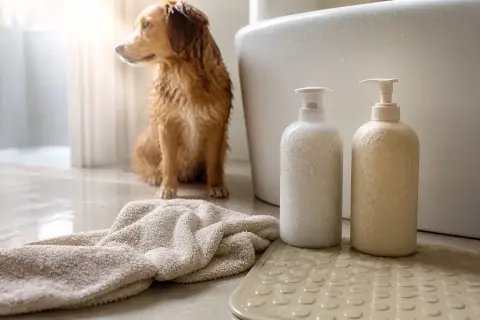
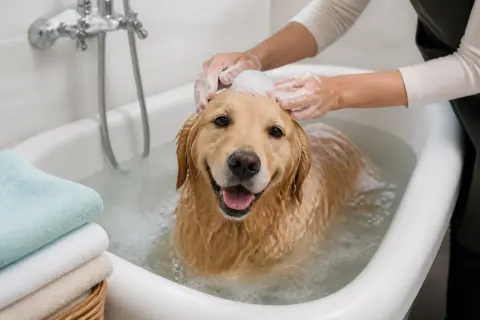
Bathe when dirty, stinky, or vet-directed — not because the calendar looks lonely. Use dog shampoo: Burt’s Bees skin-soothing for gentle everyday cleans, TropiClean PerfectFur for mixed coats, or FURminator deshedding shampoo when you are fighting tumbleweeds. Rinse like you mean it. Human products can irritate skin and leave residue that smells fancy and feels terrible.
Brush before water so mats do not tighten. Dry to the skin on double coats — damp undercoat is how “musty” becomes a personality. How-to: How to Bathe a Dog. Product compare: Best Dog Shampoos.
Nails, ears, and the unsexy maintenance stack
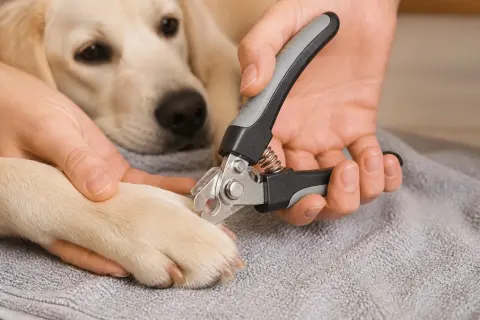
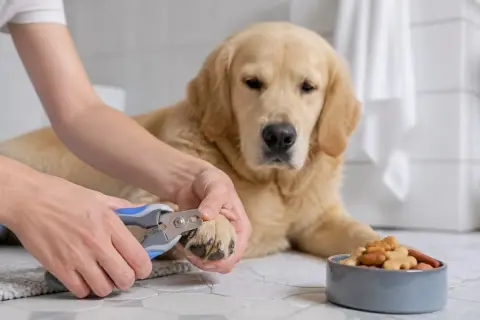
Nails that click on hardwood are writing you a memo. Beginners often prefer guarded clippers like gonicc with guard; grinders like the Casfuy 2-speed file instead of crush. Find the quick first — black nails need tiny bites and a flashlight of patience. Guides: Best Nail Clippers for Dogs and How to Trim Dog Nails Safely.
Ears: check weekly. Clean only when your vet or groomer says the method fits this dog. A wash such as Vet’s Best Ear Relief is a tool, not a personality transplant. Redness, pain, head shaking, or foul odor → vet, not more cotton swabs. Never dig cotton tips deep into the canal like you are mining for treasure.
Between baths, Earth Rated unscented wipes handle paws and messes without inventing a full soak. Dewclaws still count on nail day — they do not wear down on sidewalks.
Professional vs. at-home (both can win)
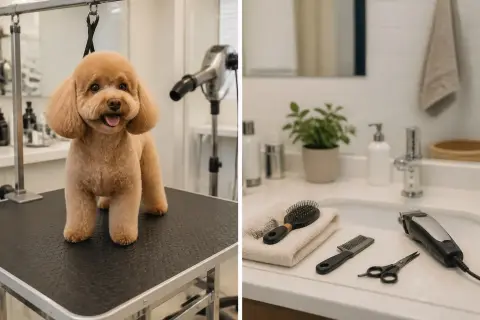
Home grooming wins for brushing, light baths, nail tips, and keeping mats from forming. Pros win for breed cuts, sanitary clips, serious dematting, and dogs who treat your bathroom like a horror film. Many households run a hybrid: you maintain, they style. Honest comparison: Professional vs. At-Home Grooming.
Build a rhythm you will actually keep with Best At-Home Grooming Routines. The salon should inherit a brushed dog, not a felt rescue mission with teeth.
Home tools kit that earns the drawer
- Self-cleaning slicker — Hertzko or Swihauk
- Undercoat helper — FURminator, SleekEZ, or Maxpower rake
- Dog shampoo matched to coat and skin
- Nail clippers and/or grinder plus styptic powder
- Ear wash (vet-approved for your dog) and unscented wipes
- Towels, non-slip mat, treats that fund cooperation
When to see a groomer or a vet
- Groomer: breed-specific cuts, mats you cannot tease out kindly, nails you cannot see or reach safely, dogs who need table skills you do not have
- Vet: hot spots, unexplained itch, ear pain/odor, limping after a nail injury, skin that looks infected, or any grooming that causes yelping
Dematting that requires skin-close blades is not a DIY flex. Pain is a stop sign, not a challenge.
Practical tips that prevent grooming regret
- End every session before protest peaks — leave the dog wanting the treat, not the exit
- Keep styptic powder next to nail tools before you need it mid-panic
- Photograph “good nail length” and “mat-free armpit” so you know what success looks like
- Introduce tools with treats on non-grooming days so the sound is not a premiere at the bathtub
- If skin changes after a new shampoo, stop and ask the vet — switching brands while infected is not a strategy
Most grooming disasters are calendar problems wearing costume jewelry. Brush earlier. Trim smaller. Call for help sooner.
Our recommendations
Picks live in the grooming shop. Prices are Amazon snapshots and change. Links may earn a commission — see our advertising disclosure.
Brush and deshed stack
- Hertzko Self-Cleaning Slicker — Everyday detangle and shed pickup.
- Swihauk Self-Cleaning Slicker — Push-button fur dump for frequent brushers.
- FURminator Large Long Hair — Undercoat workhorse when sized right.
- SleekEZ 5 Inch — Simple deshed blade for loose coat.
- Maxpower Planet Rake — Budget dematting and undercoat help.
Bath and between-bath
- Burt’s Bees Skin Soothing Shampoo — Gentle everyday clean.
- TropiClean PerfectFur — Combination-coat baths.
- FURminator Deshedding Shampoo — Bath-day shed support.
- Earth Rated Unscented Wipes — Paws and quick cleanup.
- Vet’s Best Ear Relief Wash — Ear care when appropriate.
Nail tools
- gonicc Clippers with Guard — Beginner-friendly trims.
- Casfuy Nail Grinder — File instead of clip.
How to use this hub
- Identify coat type and which jobs you will own at home.
- Build a lean kit: brush, shampoo, nails, ears/wipes, treats.
- Open supporting guides for the decision you face this week.
- Book a groomer for cuts and mats beyond kind home care.
- Call the vet when skin, ears, or nails look like medicine, not cosmetics.
Brush early, bathe thoughtfully, trim tiny amounts, and ask for help before mats become a crisis. That is how grooming stays a care habit — not a quarterly apology tour.