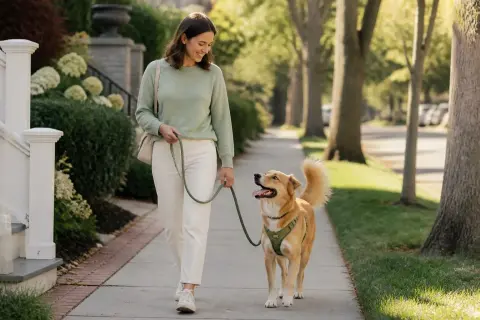
The best dog harness is a jacket with a job description — distribute force across the chest, keep throats out of the negotiation, and give you a clip that matches today’s lesson. Collars still hold ID. Harnesses handle walking physics. Fit beats marketing: two fingers under straps, no armpit sawing, no “cute but choking-adjacent” cinch.
This guide sits under our Complete Guide to Walking & Training. Clip philosophy lives in Front-Clip vs. Back-Clip Harnesses; leash pairings in Best Dog Leashes; puller tactics in How to Stop Pulling on Walks.
Who this guide is for
Owners whose dog coughs on collar pressure, pullers who need leverage without magic, hikers who want a handle and dual clips, and anyone staring at Amazon like harnesses are astrology signs. You need one well-fitted everyday harness — maybe a second for dedicated no-pull training — not five almost-fits.
Everyday dual-clip harnesses
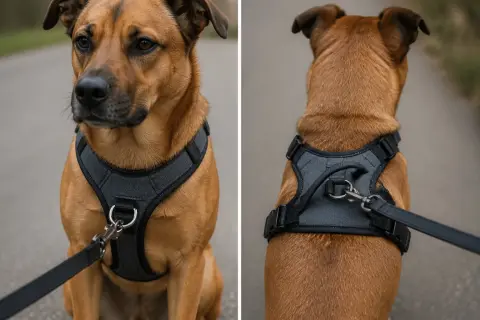
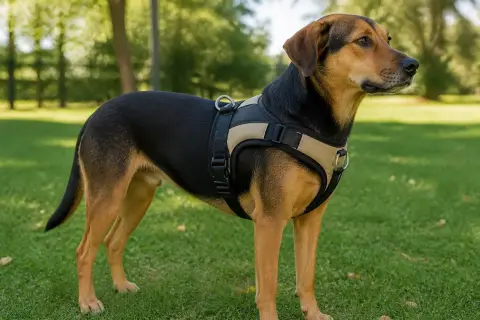
Dual-clip designs are the versatile default: back clip for comfortable everyday walking and hiking control, front clip when you need steering help against a forward tractor. Padding should sit on muscle, not soft throat tissue. A dorsal handle helps scramble assists and car exits without grabbing fur like a suitcase.
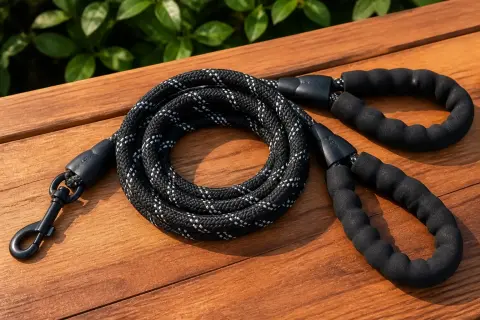
Everyday premium workhorse: Ruffwear Front Range — dual clips, reflective trim, handle, and a fit reputation that survives real mileage. Pair with a TwoEar 6ft leash for neighborhood loops.
Training-minded fit favorite: Blue-9 Balance — designed with adjustability and balance in mind for dogs who practice manners as a lifestyle, not a quarterly hobby. Excellent when you switch between front and back clips within one walk.
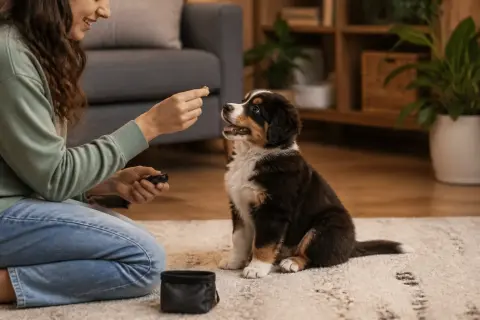
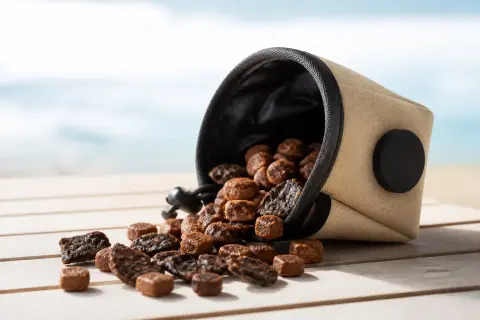
Introduce the harness with treats from a Mighty Paw pouch so the jacket means “walk party,” not “wrestling premiere.”
Front-clip and no-pull specialists
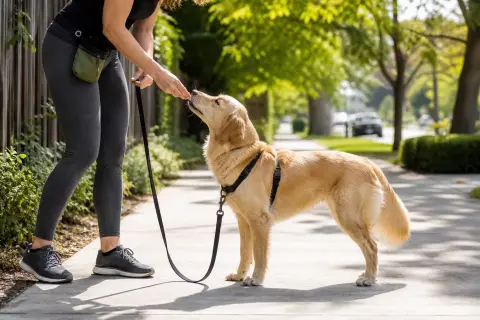
When the dog still pays themselves by dragging, a front-clip or dedicated no-pull harness buys conversation time. PetSafe Easy Walk sits across the chest and redirects forward surge sideways — useful while you retrain the pay scale. It is not a personality transplant. You still stop reinforcing the tow-truck job.
Deep dive on when front-clip earns its keep: Front-Clip vs. Back-Clip. Tool stack for manners: Best Tools for Loose-Leash Walking.
Fit checks that prevent regret
- Girth and neck measurements beat “medium feels lucky”
- Straps lie flat; no twisting into rope burns
- Dog can lower head to sniff and drink without binding
- After ten minutes, check armpits and sternum for rubs
- Escape artists need secure belly coverage — watch the “back-out” wriggle
Puppies grow. Recheck fit monthly. Foundations for young dogs: How to Start Puppy Training and Best Puppy Training Tips.
Harness vs. collar (both can win)
Walk on a harness. Keep ID on a collar or harness tags. Never tether a moving car by collar alone — vehicle restraints are a different product family. For walking force, harnesses win. For quick backyard potty runs on a polite adult, some households still use collars — know your dog’s neck sensitivity and pull history.
Pairing gear without clutter
- Back-clip + 6ft leash for polite neighborhood walks
- Front-clip + soft treats for loose-leash practice — Blue Buffalo Bits or Vital Essentials liver
- Long line on back clip for distance recall — Tuff Pupper 30ft
- Optional clicker — PetSafe Clik-R
Bags still matter: Earth Rated or Amazon Basics on the pouch or leash.
Body types and escape artists
Deep-chested sighthounds, narrow-shouldered sighthound mixes, and greasy Houdinis need extra belly coverage and careful strap angles. If the dog can reverse out like a turtleneck, size up coverage or ask a trainer for escape-proof fit tips before you invent a tighter throat solution.
Puppies: buy for current girth with adjustability, recheck monthly, and do not “wait for adult size” with a swimming harness. Growth spurts turn yesterday’s perfect fit into today’s shoulder saw.
Introducing the jacket without drama
- Let the dog sniff it; feed near it before it touches fur
- Clip on for thirty seconds indoors, treat, remove — repeat
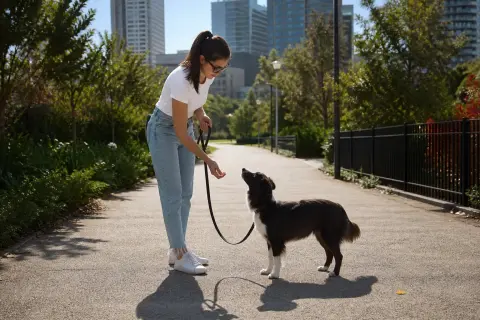
- Add the leash only after the harness predicts snacks
- First outdoor wear: short, successful loop — not a marathon premiere
Marker help: PetSafe Clik-R. Session pacing: Best Puppy Training Tips.
Red flags
- Choking, coughing, or blue-ish gums — stop and refit or see a vet
- Raw armpits after every walk — wrong size or design for this body
- “Prong because harness failed” without changing reinforcement — you skipped the lesson
Sudden harness refusal can be pain. Rule out medical issues before inventing tougher tactics.
Our recommendations
Shop walking & training. Links may earn a commission — advertising disclosure.
- Ruffwear Front Range — Dual-clip everyday classic.
- Blue-9 Balance — Adjustable training-friendly fit.
- PetSafe Easy Walk — Front-clip no-pull assist.
- TwoEar 6ft Leash — Pair with any of the above.
- EzyDog SnakPak Pro — Hands-free reinforcement on walks.