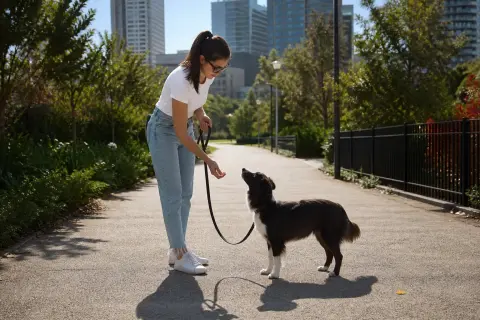

Walking and training are the same conversation wearing different shoes. A leash is a communication cable. A treat pouch is a paycheck. A harness is either a comfortable jacket or a tow hitch — depending on clip placement and what you reward when the dog invents a sled-dog career. This is the Walking & Training hub for Poochopolis: how to build manners that survive squirrels, which gear earns the hook by the door, and how short, witty practice sessions beat weekend lectures nobody remembers.
Start with the job in front of you. A puller needs different tools than a puppy learning their name. A long-line recall day is not the same as a six-foot neighborhood loop. Then stock a lean kit — harness, leash, bags, treats you can deliver fast — and train the behavior you want instead of negotiating with a stretched arm forever.
Browse curated picks in the walking & training shop, or jump into supporting guides: leashes, harnesses, puppy training tips, loose-leash tools, training treats, how to start puppy training, how to stop pulling, and front-clip vs. back-clip.
What “good walks” actually mean
A good walk is not a forced march or a free-for-all drag race. It is a dog who can notice the world, check in with you, and keep soft tension on the line most of the time. Sniff breaks are enrichment, not rebellion — scheduled on purpose so you are not accidentally rewarding a tow-truck lunge toward every mailbox.
That outcome comes from clear reinforcement, gear that matches the job, and ending sessions before frustration peaks. Training is not “later when we have an hour.” It is thirty seconds of genius woven into the walk you already take.
Walk and train jobs that matter
- Loose-leash walking — teach that forward motion pays when the leash softens, not when the dog wins a tractor pull
- Name, sit, and come — foundations that unlock everything else outdoors
- Gear fit — harness and leash that distribute force kindly and clip where the job needs leverage or freedom
- Fast reinforcement — soft treats and a pouch so timing stays honest
- Cleanup — bags you will actually carry, every time
- Distance practice — long lines for recall and settle work where six feet is not enough classroom
- Pro escalation — certified trainers and vets for aggression, panic, or pain masquerading as “stubborn”
If a product does not serve one of those jobs for this dog, it can wait in the wishlist where novelty gadgets go to rest.
Harnesses: jackets with a job description
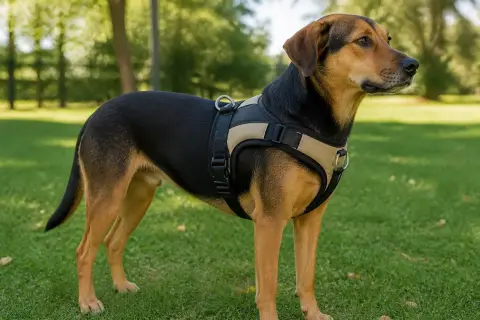
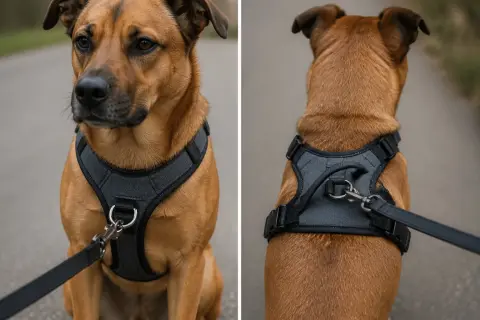
Most everyday walkers thrive in a dual-clip harness. Back-clip is comfortable for polite dogs and hiking control. Front-clip adds steering leverage when the dog still thinks the leash is a tow rope. Everyday workhorse: Ruffwear Front Range. Training-session favorite with thoughtful design: Blue-9 Balance. Dedicated no-pull assist: PetSafe Easy Walk.
Fit matters more than brand lore — two fingers under straps, no armpit rub, no throat pressure. Deep dives: Best Dog Harnesses and Front-Clip vs. Back-Clip Harnesses. Gear alone does not teach manners; it buys you a clearer conversation while you reinforce the right answer.
Leashes: fixed length, long line, and honesty
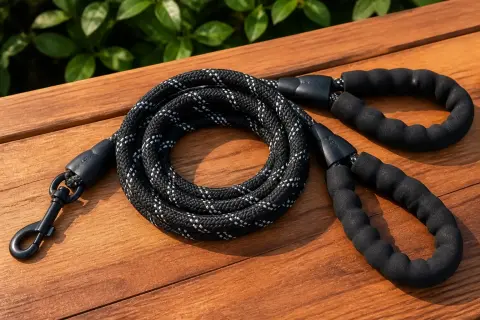
A six-foot fixed leash is the neighborhood default — enough room to sniff, not enough to invent a kite. Heavy-duty everyday pick: TwoEar 6ft leash. For recall and “stay near me while the world is interesting” practice, a long line like the Tuff Pupper 30ft turns open space into a classroom without gambling on hope.
Retractables earn side-eye for a reason: inconsistent length teaches inconsistent manners, and the thin cord can injure. Prefer fixed length for training and busy sidewalks. Full compare: Best Dog Leashes. Loose-leash toolkit: Best Tools for Loose-Leash Walking.
Treats, pouches, and the timing problem
Reinforcement delayed is reinforcement for whatever the dog did three seconds ago — usually not what you meant. Soft, tiny bits like Blue Buffalo Bits or high-value Vital Essentials freeze-dried liver (break small) keep sessions moving. Carry them in a Mighty Paw pouch or hands-free EzyDog SnakPak Pro. A PetSafe Clik-R marks the exact moment of genius when you pair it with food.
Guide: Best Treats for Training Sessions. Count treat calories in the daily budget — training is not a second dinner in costume jewelry.
Puppies: short sessions beat marathon lectures
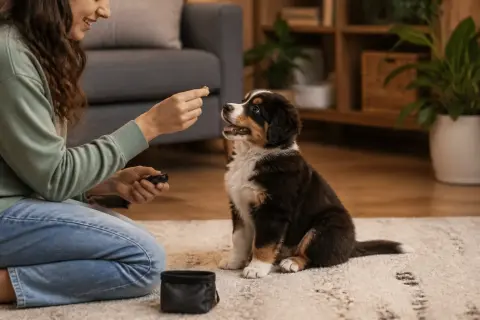
Puppy brains are sponge cakes, not seminar attendees. Name recognition, sit, and come start indoors with tiny wins, then move to the porch, then the quiet block. Tips that keep everyone sane: Best Puppy Training Tips. Step-by-step foundations: How to Start Puppy Training.
Socialization is exposure with good outcomes — not flooding a baby dog into every chaos cafe on day three. End before protest peaks. Leave the puppy wanting the next round.
Pulling: stop reinforcing the tow-truck job
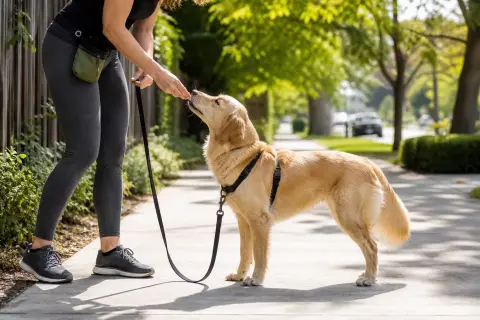
If lunging forward makes the walk continue, you have hired the dog as a sled team. Change the pay scale: soften the leash → move. Tighten and drag → become boring or change direction. Front-clip harnesses and Easy Walk styles help you buy time; they do not replace the lesson. How-to: How to Stop Pulling on Walks. Tool stack: loose-leash tools.
Cleanup is part of training culture
Carry bags like a grown-up. Lavender-scented durability: Earth Rated 270. Budget bulk: Amazon Basics 300. A dog who learns “we pause, we bag, we resume” is practicing impulse control with civic pride attached.
Home tools kit that earns the hook
- Dual-clip harness — Front Range or Blue-9 Balance
- No-pull assist when needed — Easy Walk
- Six-foot leash — TwoEar 6ft
- Long line for distance work — Tuff Pupper 30ft
- Treat pouch + soft treats + optional clicker
- Poop bags that live on the leash or pouch — not in the other jacket
When to see a trainer or a vet
- Trainer / behavior pro: reactivity, aggression, fear that flooding will not fix, households stuck after honest practice
- Vet: sudden leash refusal, yelping in harness, limping, or “stubborn” that might be pain
Pain and panic are not disobedience cosplay. Rule medical issues out before inventing a tougher leash philosophy.
Practical tips that prevent walk regret
- Train loose leash in boring places first — then add squirrels as advanced coursework
- Mark and pay fast; narrate less, reinforce more
- Photograph a correct harness fit so “snug” does not drift into “strangle-adjacent”
- Use a long line for recall practice instead of gambling on hope in open fields
- If gear causes rubs or panic, stop and refit — equipment should not invent new problems
Most walking disasters are inconsistent paychecks wearing motivational posters. Soften the leash. Pay the check-in. Carry bags.
A sample week that wires the hub together
- Mon–Tue: short indoor name/sit reps — start puppy training or adult refresh via training tips
- Wed: front-clip soft-leash block with Bits — loose-leash tools + stop pulling
- Thu: treat timing drill with clicker — training treats
- Fri: long-line recall in a safe field — leash notes in Best Dog Leashes
- Weekend: fit check and clip choice — harnesses + front vs. back clip
Our recommendations
Picks live in the walking & training shop. Prices are Amazon snapshots and change. Links may earn a commission — see our advertising disclosure.
Harness stack
- Ruffwear Front Range — Everyday dual-clip workhorse.
- Blue-9 Balance — Thoughtful fit for training-minded walkers.
- PetSafe Easy Walk — Front-clip leverage for pullers.
Leash stack
- TwoEar Heavy-Duty 6ft — Neighborhood default.
- Tuff Pupper 30ft Long Line — Recall and distance practice.
Training pay stack
- Mighty Paw Treat Pouch — Fast access on walks.
- EzyDog SnakPak Pro — Hands-free treat delivery.
- Blue Buffalo Bits — Soft everyday reinforcers.
- Vital Essentials Beef Liver — High-value jackpots.
- PetSafe Clik-R — Precise marker.
Cleanup
- Earth Rated Lavender Bags — Durable everyday bags.
- Amazon Basics Poop Bags — Budget bulk restock.
How to use this hub
- Name the job: puppy foundations, loose leash, recall, or gear upgrade.
- Build a lean kit: harness, 6ft leash, pouch, treats, bags — long line if you need distance.
- Open the supporting guide that matches this week’s stuck point.
- Practice short, reinforce fast, end early.
- Call a pro when fear, aggression, or pain show up — not after you invent a harsher tool philosophy.
Soft leash, fast pay, honest fit, and bags in the pouch. That is how walking stays a partnership — not a daily arm workout with feelings.