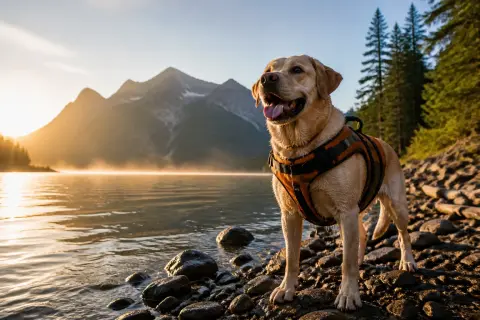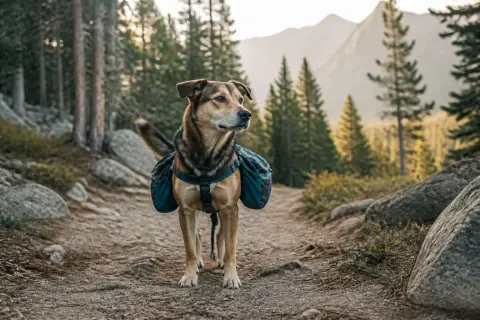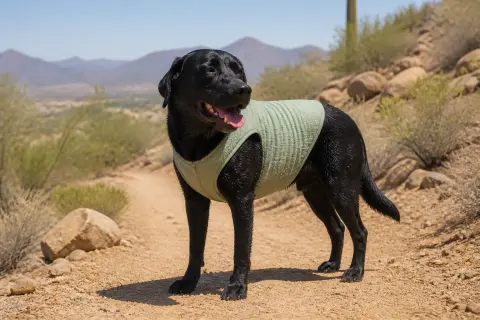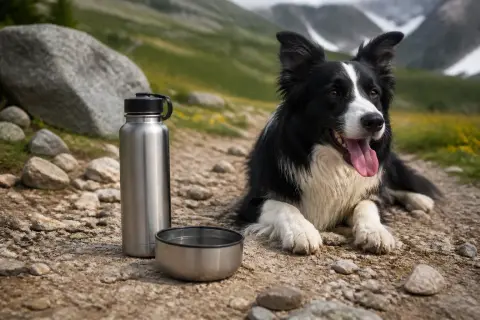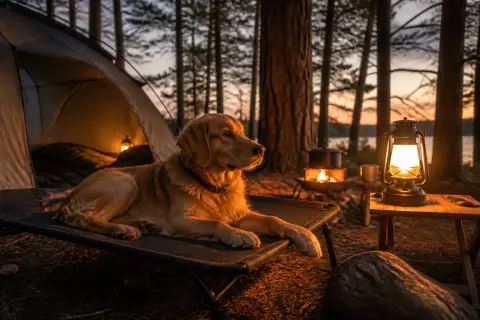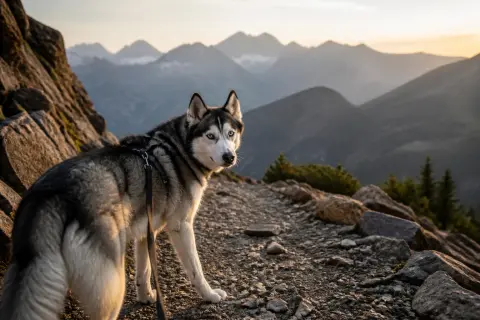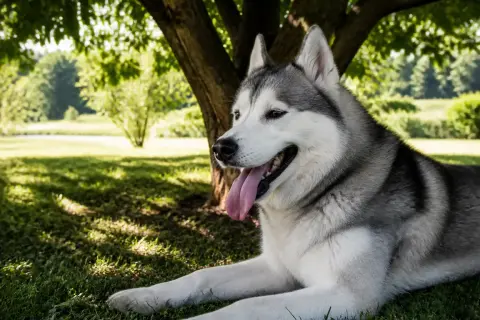
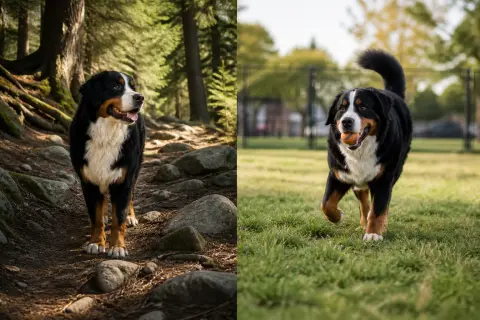
Trail days and park days both tire dogs out — in different ways. Parks deliver social play, short bursts, and easy logistics. Trails deliver mileage, sniff enrichment, and shared adventure with more weather, paw, wildlife, and etiquette risk. Choosing the wrong day type is how dogs get overworked, under-stimulated, or heat-stressed.
This comparison sits under our Complete Guide to Dogs Outdoors. Use it to match today’s weather, fitness, and recovery needs before you load the car.
Who this guide is for
Owners who default to “let’s tire them out” without picking the right kind of tired. High-social dogs may need parks more often. Mileage athletes may need trails. Heat-sensitive dogs may need shorter versions of either — or neither. There is no moral ranking; there is only fit for the dog and the day.
When a park day is the better call
- Your dog needs social play or fetch more than long mileage
- Heat is rising and you want short, shaded, abortable sessions
- Recall and leash manners still need work around distractions in a contained space
- You have limited time and want a reliable 30–60 minute outlet
- Paws are tender after yesterday’s rocky hike
- Your dog is recovering and needs lower cumulative impact
- Social skills need practice in a fenced setting before busy trail passes
Park days still need water, waste bags, and heat sense — especially in unshaded yards. Bring a bottle; see outdoor water bottles.
When a trail day is the better call
- Your dog is fit for the planned distance and elevation
- Weather supports a longer outing (or you can start early)
- You want sniff enrichment and steady movement over chaotic play
- Social dog-park energy has been too much lately
- You can pack water, practice etiquette, and turn around on time
- Your dog comes home calmer from mileage than from wrestle-fests
- You are building fitness toward a longer weekend hike
Trail prep lives in How to Hike Safely with Dogs and Best Hiking Gear for Dogs.
Social risk and training implications
- Park: high social density — great for practiced greeters, stressful for reactive or overwhelmed dogs
- Trail: lower density but higher etiquette stakes on singletrack; every pass is a training rep
- Park training win: interrupt play, recall out of chaos, settle after arousal
- Trail training win: polite passes, loose-leash on distractions, “leave it” for wildlife smells
- Wrong match: forcing a reactive dog into a busy park, or an untrained greeter onto a crowded ridge trail
If manners are still shaky, choose quieter versions of either day type while you train — not the busiest Saturday venue.
Gear differences
| Need | Park day | Trail day |
|---|---|---|
| Control | Everyday leash/harness; sometimes long line where allowed | Secure trail harness; fixed leash manners for passes |
| Water | Small bottle or fountain access + backup | Higher capacity + packable bowl; do not rely on streams |
| Paws | Usually grass/dirt; watch hot pavement approaches | Rock, roots, heat — boots optional when surfaces demand |
| Heat tools | Shade + timing; cooling vest for warm errands/walks | Same, plus earlier starts and stricter turnarounds |
| Packs | Rarely needed | Optional for conditioned adults ≤ ~25% body weight |
| First aid | Basic kit in the car | Kit in the daypack + car backup |
Links may earn a commission — see our advertising disclosure. Browse more in outdoor.
Gear lists by day type
Park-day kit
- Water: Kurgo Gourd or car bottle + bowl
- Warm day: Swamp Cooler Harness or budget microfiber cooling vest
- Bowls: PetBonus silicone 2-pack in the trunk
- Waste bags, shade plan, abort time
Trail-day kit
- Harness: Ruffwear Front Range
- Leash: Twoear 6 ft heavy-duty (skip retractables)
- Water: H2O4K9 25 oz or PupFlask Large + Quencher
- Warm day: Swamp Cooler Vest
- Paws / first aid: Grip Trex when surfaces demand; dog first aid kit
- Dusk: ILLUMISEEN LED collar
Energy and recovery
Park play can spike arousal: wrestling, sprint-fetch, and social stress that looks like “tired” but leaves a dog amped. Trail mileage often produces deeper physical fatigue with lower social chaos — and also delayed-onset soreness if you overdid elevation.
- After intense park play: calm cooldown, water, and a quieter evening
- After long trails: check paws, offer water/food on schedule, and plan an easier next day
- Stacking hard park + hard trail back-to-back is how soft-tissue injuries sneak in
- Some dogs need a “nothing day” after either — sniff walks count
Sample weekly mix
- 2 trail-leaning days: progressive mileage with early starts in warm seasons
- 1–2 park or play days: social or fetch work in shorter windows
- 1–2 easy sniff / rest days: recovery is training
- Adjust for heat: swap trail for short shaded park or indoor enrichment
- After a big Saturday trail: Sunday should not be the busiest dog park on the map
Weather and risk snapshot
- Hot and humid: lean park-short or skip; read How to Keep Dogs Cool Outside
- Mild and cloudy: excellent trail window if fitness matches
- Crowded weekend trailhead: etiquette load rises — leash skills matter more
- Dog-park drama history: trails or parallel walks may be kinder than the yard
- After rain: muddy parks are fine; slick rock trails may not be
- Paws sore: easy park sniff or rest — not another rocky loop
A simple decision path
- Need social play in a limited time box? → Park day.
- Need mileage and sniff work with good weather? → Trail day.
- Paws sore or dog still recovering? → Easy park sniff walk or rest day.
- Heat climbing fast? → Short shaded outing only — or indoors.
- Manners still shaky? → Quieter venue of either type while you train.
- Overnight trip involved? → See camping tips.
- Building trail fitness? → Alternate easy parks with progressive trail miles.
Water days are a third category
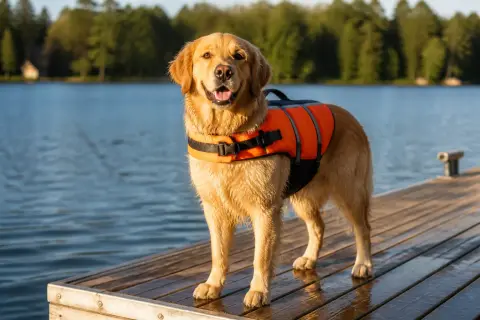
Swimming and boating are neither pure park nor pure trail. Add flotation when boats, current, or weak swimming enter the picture — start with Best Dog Life Jackets. Heat still applies; water work can overheat and exhaust dogs quickly.
For the full Outdoor framework and tiered product lists, return to The Complete Guide to Dogs Outdoors.